Food
Food Farmers
 Sustainable Living
 Living Planet
 News
News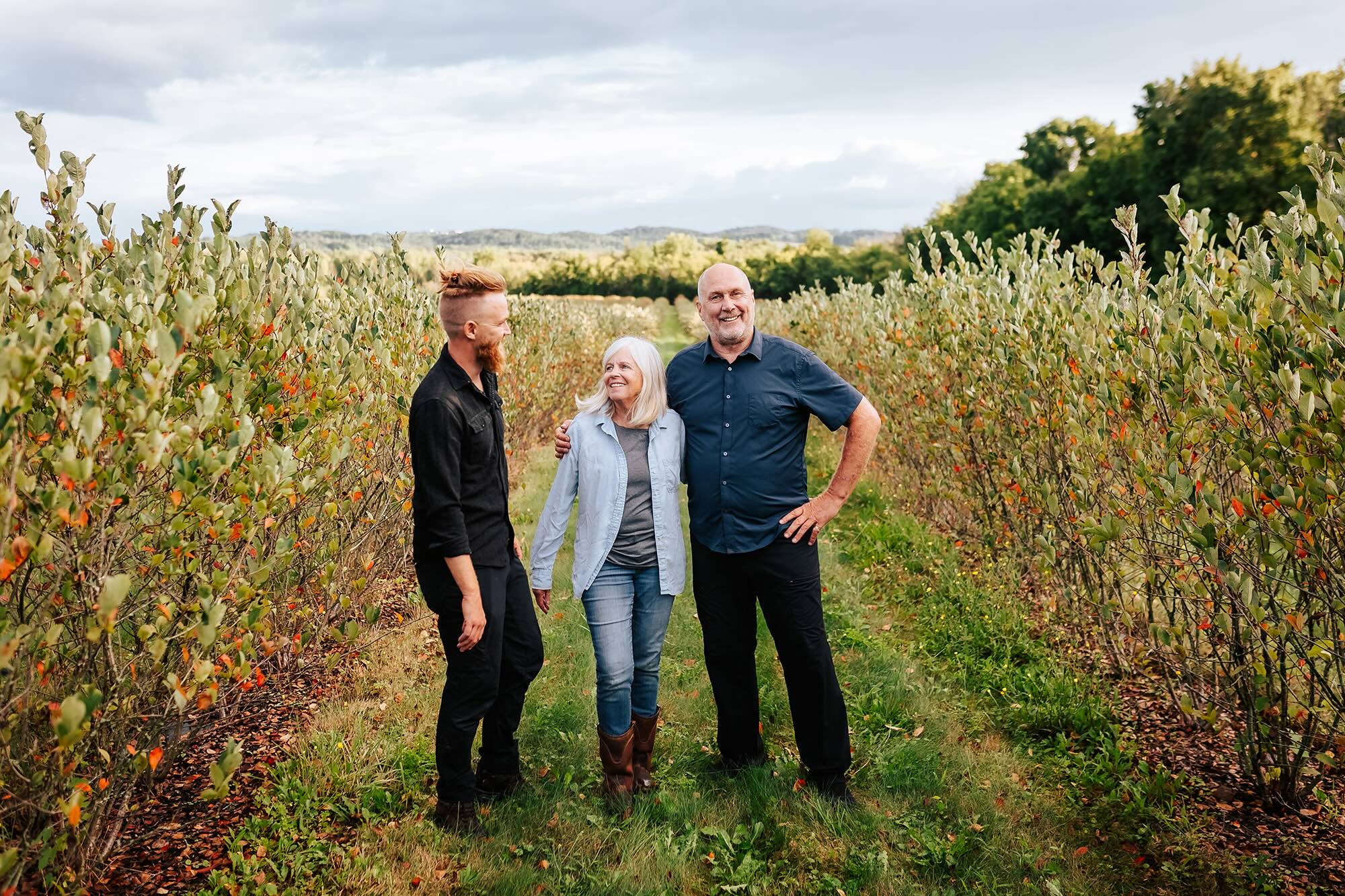
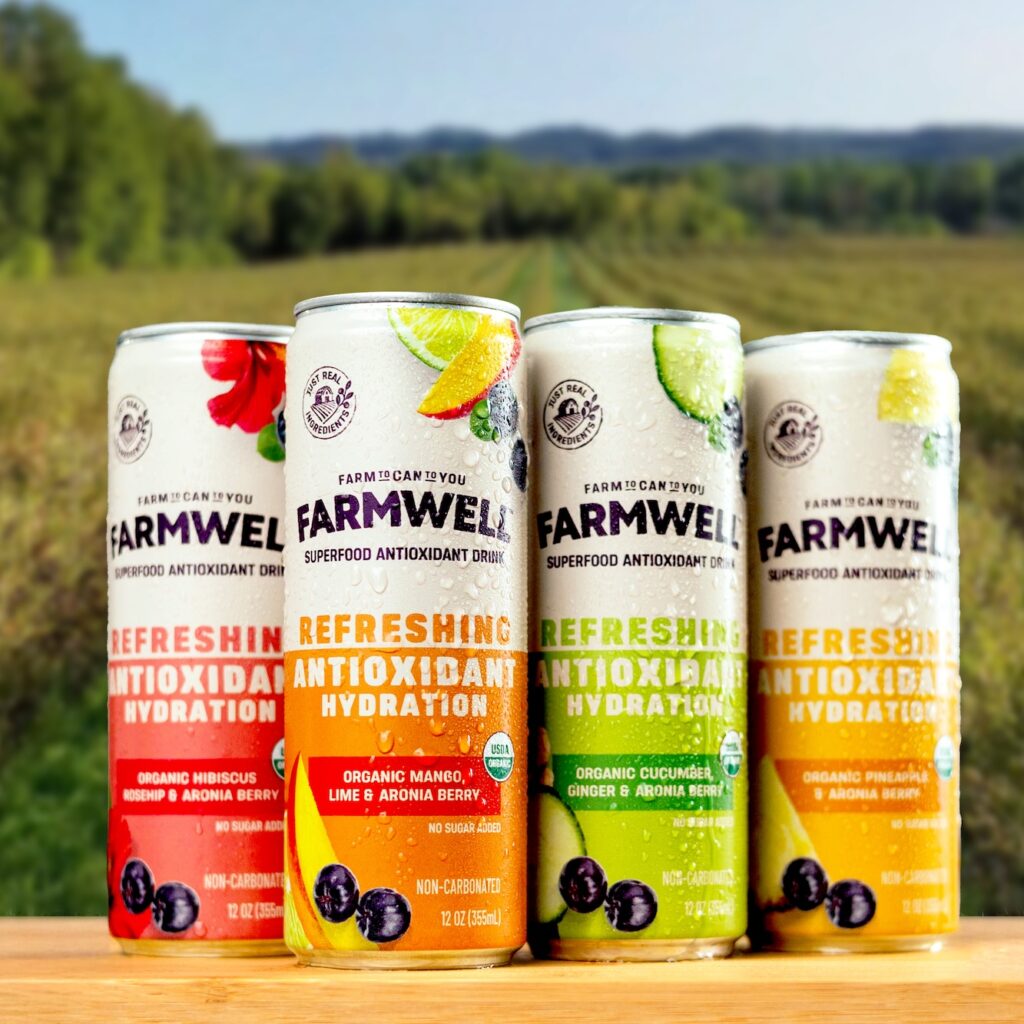
At its core, Farmwell is a story about returning to the land with intention. Ron and Peggy Ramstad, along with their son Erik, founded this family-run business to reflect their commitment to building something meaningful from the soil up. They began by choosing to farm regeneratively, which evolved into a beverage rooted in care, simplicity, and connection. By growing aronia berries and staying close to the process, the Ramstads created more than a drink. They built a system where quality starts long before the can. In a category often driven by what’s added, Farmwell offers a quieter perspective: what’s left out and where things begin matter just as much.
1.Farmwell is both a farm and a beverage brand. What came first—the desire to farm regeneratively or the idea of creating a drink?
The farm came first. In 2017, after selling his organic food business, Ron Ramstadchose not to retire but to start something entirely new. Having grown up in Iowa, where he spent summers detasseling corn, he’d long carried the idea of owning a farm. When the opportunity came, Ron and Peggy committed fully to building something from the ground up.
The main requirement was that it be unique and meaningful, which led us to aronia. While the farm started first, the beverage idea was always there; even in the early days of planting and irrigation, we were working toward an experience people could enjoy.
2. The aronia berry isn’t widely known in the U.S. What drew you to this particular fruit, and why do you think it’s been overlooked?
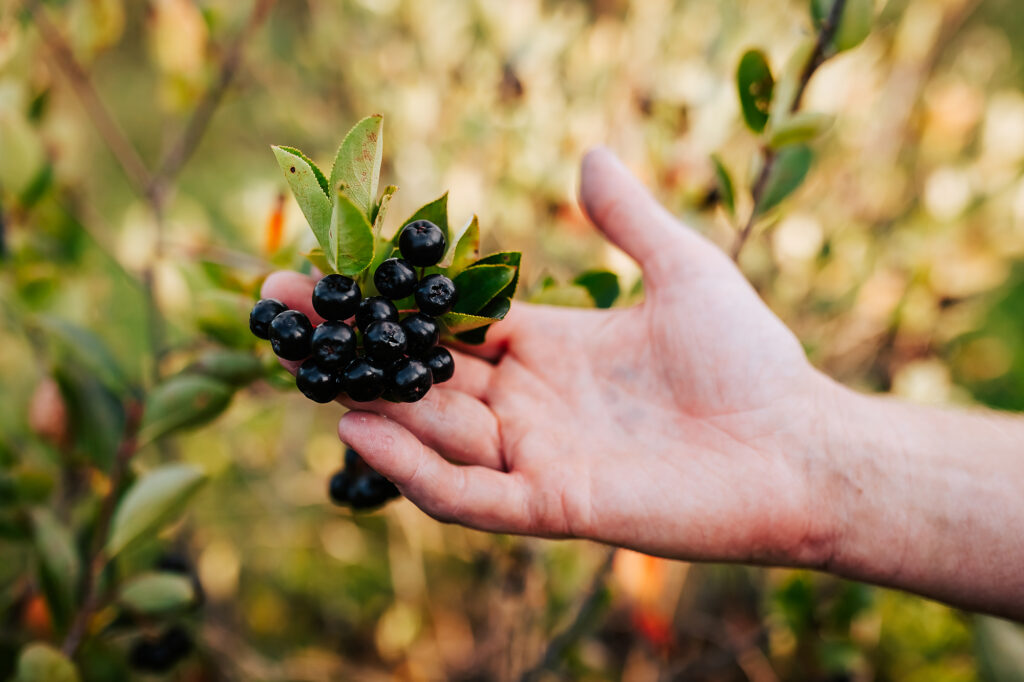
Aronia stood out because of its natural sweetness, which reduces the need for added sugar, making it healthier and more refreshing. The berry is also high in antioxidants, which support overall wellness, offering a unique benefit that aligns with consumers’ growing desire for natural ingredients.
Aronia is often overlooked because its taste doesn’t match typical berry sweetness. That uniqueness, though, makes it the right choice for those seeking a refreshing drink without added sugar.
3. You’ve built Farmwell around a true “farm-to-can” model. Why was it important to be the farmers behind the product—not just the brand behind it?
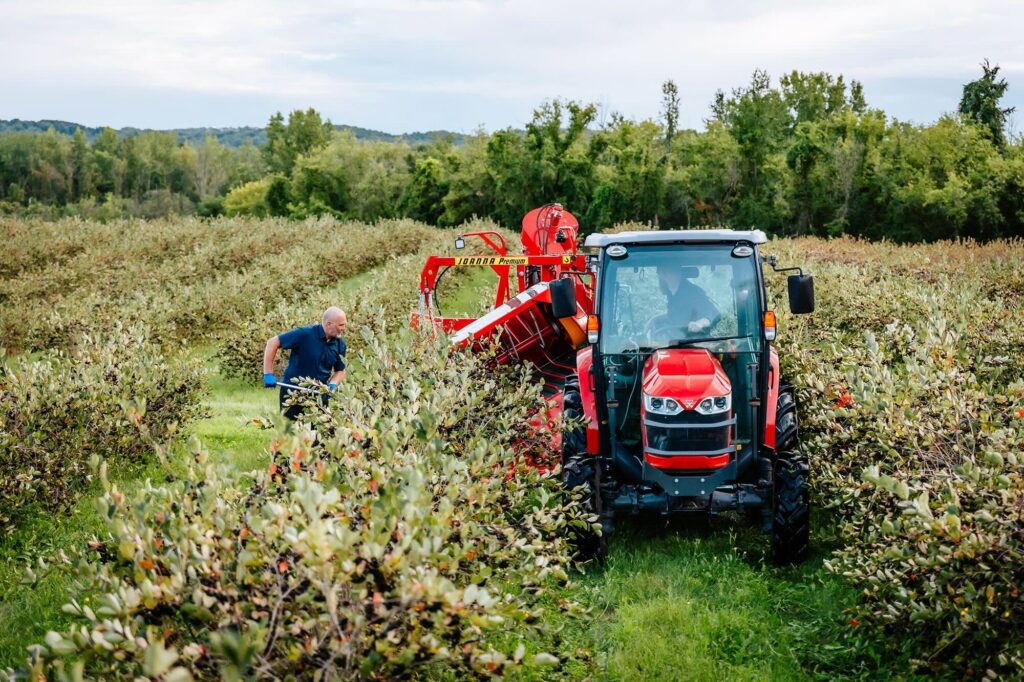
Growing the ingredients means making decisions before a product exists. That responsibility starts in the soil. Whether we’re watching early buds in spring or tracking plant growth, we are part of the full process.
Our process is integrated from soil to can. For Farmwell, that continuity is fundamental.
4. Your farm is Regenerative Organic Certified. What does that actually look like in practice, day to day?
Regenerative practices are about consistent, intentional decisions that improve the whole system over time.
It also means thinking long-term in every decision. The goal isn’t just to get through the season or make it to harvest. It’s to leave the farm better each year and to keep improving the soil and system. That mindset shows up in small ways every day. Over time, those small decisions add up.
5. Practices like no-till farming, cover crops, and pollinator support are central to your approach. How do those decisions show up in the final product?
They show up in the high nutritional value and clean taste of the ingredients. Healthier soil supports stronger, more nutrient-dense plants, which means the fruit—rich in antioxidants and free of unwanted additives—delivers real health and flavor benefits with every drink.
We focus on strong farming foundations, so both the ingredients and the final drink remain pure and simple.
6. There’s a growing conversation around soil health. Why should consumers care about soil when they’re choosing something as simple as a beverage?
Soil is where everything begins, determining the nutrition, freshness, and overall quality of the final drink. Healthier soil leads to stronger plants and better berries, so each can contain more natural nutrients and functional benefits, but also great taste.
Healthy soil leads to better ingredients. For us, it’s fundamental—healthy soil makes better berries.
7. Aronia berries are known for being high in antioxidants and naturally less sweet. How did that shape the way you developed your drinks?
Aronia gave us direction from the start. Its low sweetness allowed us to create something balanced, without adding unnecessary ingredients. This delivers a clean taste and highlights only the fruit’s natural character.
We developed a clean, balanced drink by working with aronia’s true profile, achieving our original goal.
8. In a category often driven by added functional ingredients, your products lean into whole ingredients. How intentional was that choice?
It was incredibly intentional. Whole ingredients demand transparency—they have to stand on their own.
Whole ingredients require consistency and simplicity—principles that shaped every step of our drink’s development.
It also keeps us connected to the farm. By working with real ingredients, we continually consider how they were grown and trace that care directly into our final product.
9. Your drinks contain no added sugar, no caffeine, and no carbonation. In a crowded beverage market, how do you position something that’s intentionally simple?
We focus on realness, not on competing with louder, more engineered options in the market.
If you want something sweet, we completely respect that. However, Farmwell is for those looking for something refreshing without a sugary coating. We’re not trying to be the perfect drink for everyone, but the right option for people looking for something genuinely refreshing that doesn’t taste overly or artificially sweet. In doing so, Farmwell tends to be exactly what they were looking for.
We focus on being clear about our identity. Farmwell offers a refreshing farm-grown drink that delivers real benefits, made from ingredients nurtured on a farm. That clarity makes our product stand out rather than blend in with others.
10. The functional beverage space is booming in the U.S. What do you think is missing from the current landscape?
Product formulas get attention, but ingredient origins in functional beverages often don’t.
What’s missing is a connection to something real—real value comes from ingredients that naturally carry meaning. Bringing this into the conversation could meaningfully shift the category.
11. Farmwell wasn’t the original name. How did that rebrand shape your understanding of what connects with consumers?
Our previous name wasn’t clear or easy to say, often requiring explanation.
Farmwell simplified everything. It communicates what we stand for in a direct, intuitive way. More importantly, it allowed us to fully embrace the farm as the story’s core.
12. Being a family-run operation is central to your story. How does that influence the way you make decisions, on the farm and in the business?
It keeps everything grounded. Decisions are made with long-term impact in mind, not just growth. There’s a different level of care when you’re building something together, and you’re directly connected to the outcome.
It also brings a sense of responsibility. This isn’t just a brand we manage. It’s something we’re involved in every day. That shows in how we run the farm and the product. It keeps us focused on building something that lasts.
13. Regenerative agriculture is gaining attention, but it’s still not widely understood. What do you think people get wrong about it most often?
It’s less about misunderstanding and more about it not yet being fully defined. Regenerative agriculture isn’t a fixed checklist—it varies by context daily, depending on what you’re growing and where you’re growing it.
Overall, it’s about looking at the whole system and making decisions that support the land over time. That process may differ for someone with another crop or in a different region. At its core, it’s a long-term commitment to soil improvement and building a system that grows stronger every year. There’s still a big opportunity for education, which makes it even more interesting.
14. Your farm is based in upstate New York, where aronia berries are actually native. How important is it to grow crops that “belong” to a place?
It matters quite a bit. When a crop is naturally suited to its environment, it grows more resiliently and with greater balance.
You’re working with the ecosystem, not against it. This means less strain on both the land and the plant, and things tend to work together more naturally. It’s an approach that aligns closely with how we think about farming and holds up over time.
15. Scaling a product that starts on your own farm comes with limits. How do you think about growth without compromising your farming principles?
We keep the farm at the center of every decision. If an opportunity pulls us away from that, it’s likely not the right fit.
Growth should build on the foundation—not replace it. Otherwise, you risk losing what made it meaningful.
16. You currently partner with co-packers for production. Do you see Farmwell’s future as fully vertically integrated—from soil to shelf?
We consider it, but it has to make sense. The goal isn’t to control every step; it’s to maintain quality and integrity as we grow.
Working with the right partners allows us to scale while staying focused on what we do best at the farm. Over time, we’ll continue to evaluate where it makes sense to bring more in-house, but it will always come back to whether it strengthens what we’re building, not just expands it.
17. For consumers trying to make better choices, what’s one thing you wish they paid more attention to when buying food or beverages?
Origin. Not just the final product, but the starting point.
Labels and claims matter but understanding where something comes from offers deeper insight into its quality and integrity. Just understanding a little more about that journey can go a long way.
18. If “farming well and living well go hand in hand,” what does that philosophy look like for the future of the American food system?
It looks like reconnecting people to the source of what they consume in a way that feels natural and accessible.
At the same time, the number of farms in the U.S. has been steadily declining over the past several decades, and fewer people feel directly connected to how their food is grown than they did 40 or 50 years ago. That gap matters. Farming is still incredibly important, even if it’s less visible.
We believe that when farming is done with care, and products reflect that, it creates a system that supports both people and the land. It doesn’t need to be overcomplicated. It just needs to be done thoughtfully, with a clear understanding of where things begin.