Food
Food Farmers
 Sustainable Living
 Living Planet
 News
News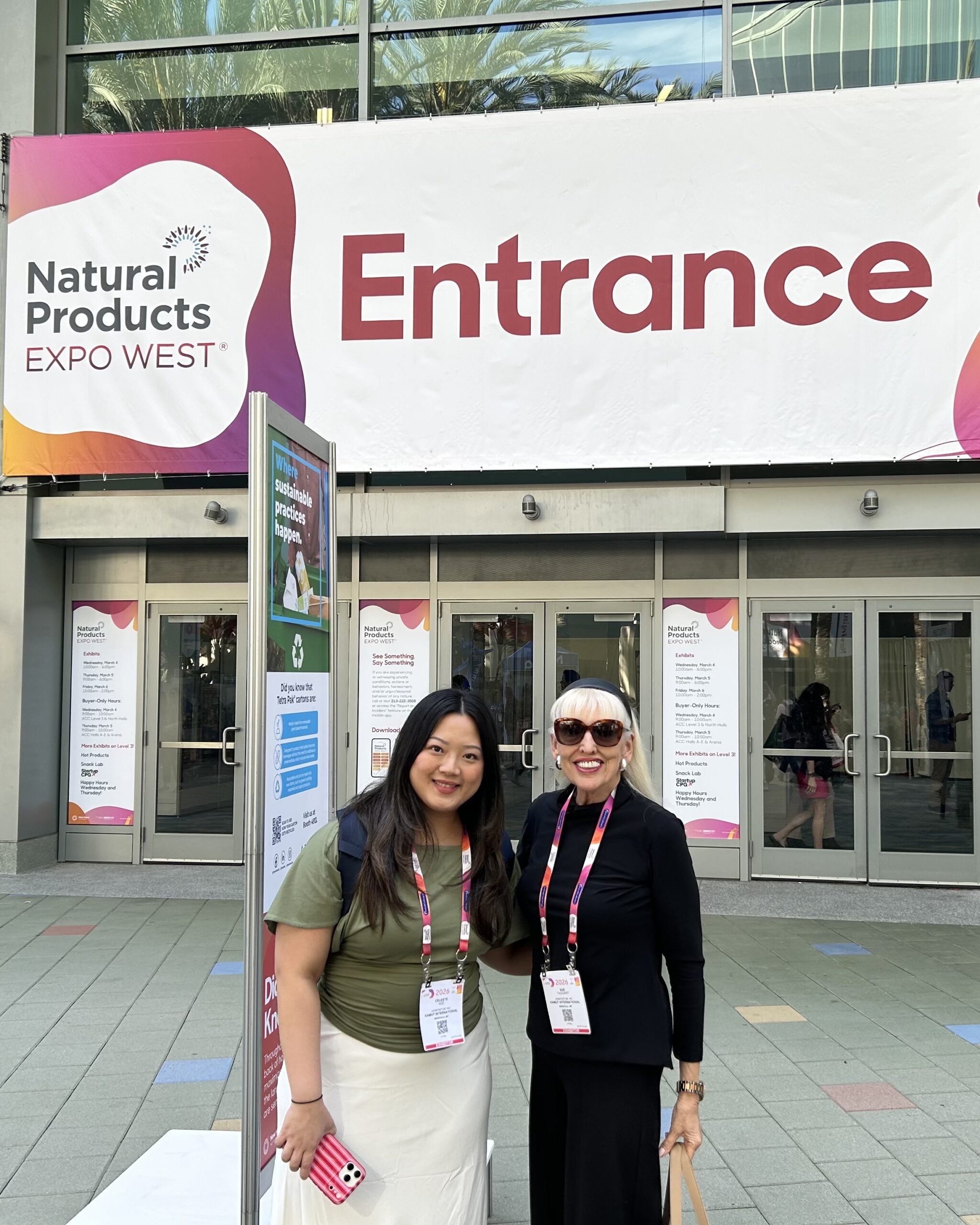
It was great to be back at Expo West this year. After several years away due to COVID and conflicting schedules, returning in 2026 offered a valuable reset—reconnecting with industry peers and seeing firsthand where wellness is evolving.
The overall tone was notably optimistic, even against a backdrop of broader uncertainty. But more importantly, the show made one thing clear: wellness is moving beyond broad “better-for-you” positioning toward more functional, intentional, and integrated solutions across everyday life.
Beverages dominated the floor—not just in volume, but in relevance. They’ve become the preferred delivery system for function, offering accessibility, portability, and faster consumer adoption compared to traditional formats. This reflects a broader shift: consumers aren’t just buying products—they’re buying outcomes.
Protein was ubiquitous—embedded across virtually every category—but it has shifted from a headline claim to a baseline expectation, with brands competing instead on format, taste, and added functional benefits.
Across categories—from snacks to personal care to household essentials—three themes stood out:
- A move from ingredient-led marketing to benefit-led formulation
- Increasing demand for verifiable transparency, not just clean-label claims
- Continued emphasis on format and usability innovation that fits seamlessly into daily routines
For product developers, this signals rising expectations around efficacy and experience—not just positioning. For retailers, it highlights the need to curate brands that simplify decision-making and deliver clear, differentiated value.
One notable new presence was TikTok Shop. Its sleek, high-visibility booth underscored how quickly the retail landscape is evolving. Discovery, validation, and conversion are increasingly happening within the same ecosystem—reshaping how brands build awareness and drive demand.
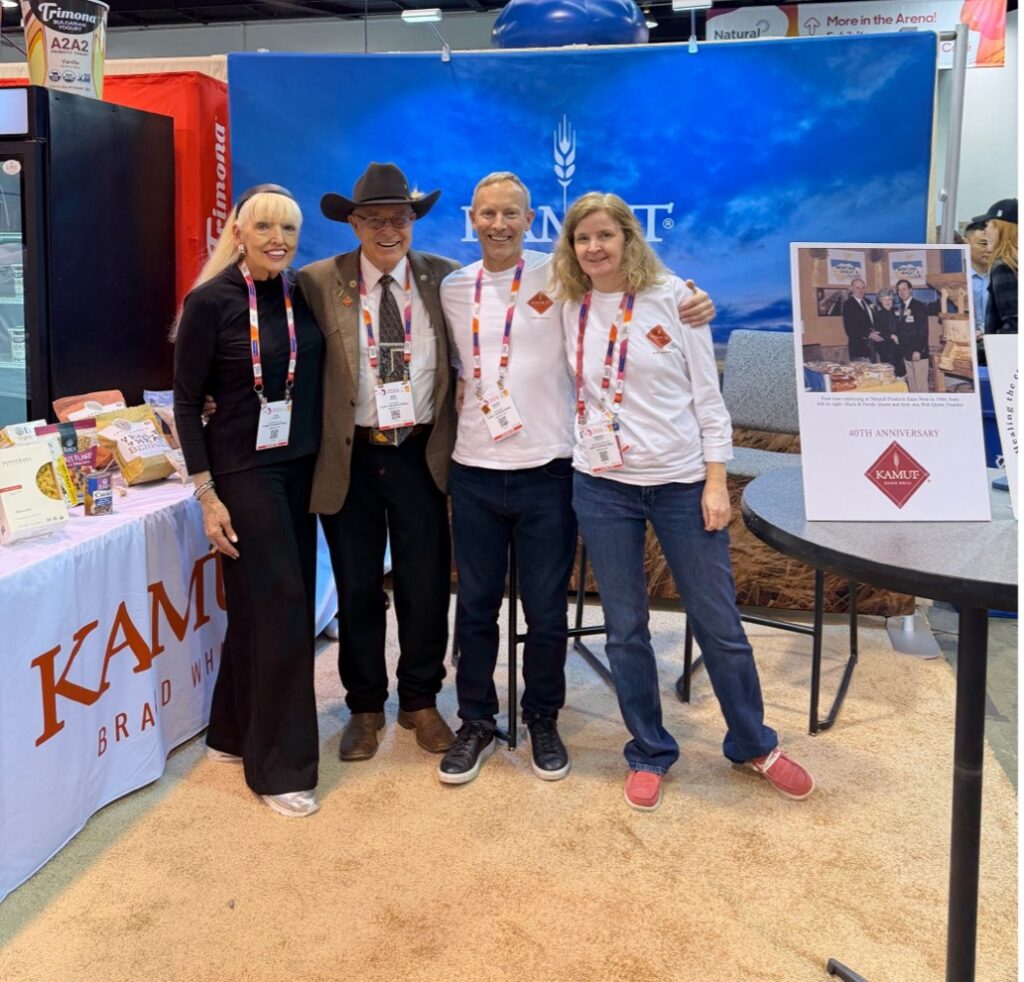
Below is our curated edit of the top 18 product picks from Expo West 2026—brands that exemplify where the market is going. We also want to recognize Bob Quinn, founder of KAMUT Brand Wheat, who celebrated 40 years of exhibiting at Expo West—a rare example of long-term vision and consistency in an industry defined by change.
1. O Positiv Health
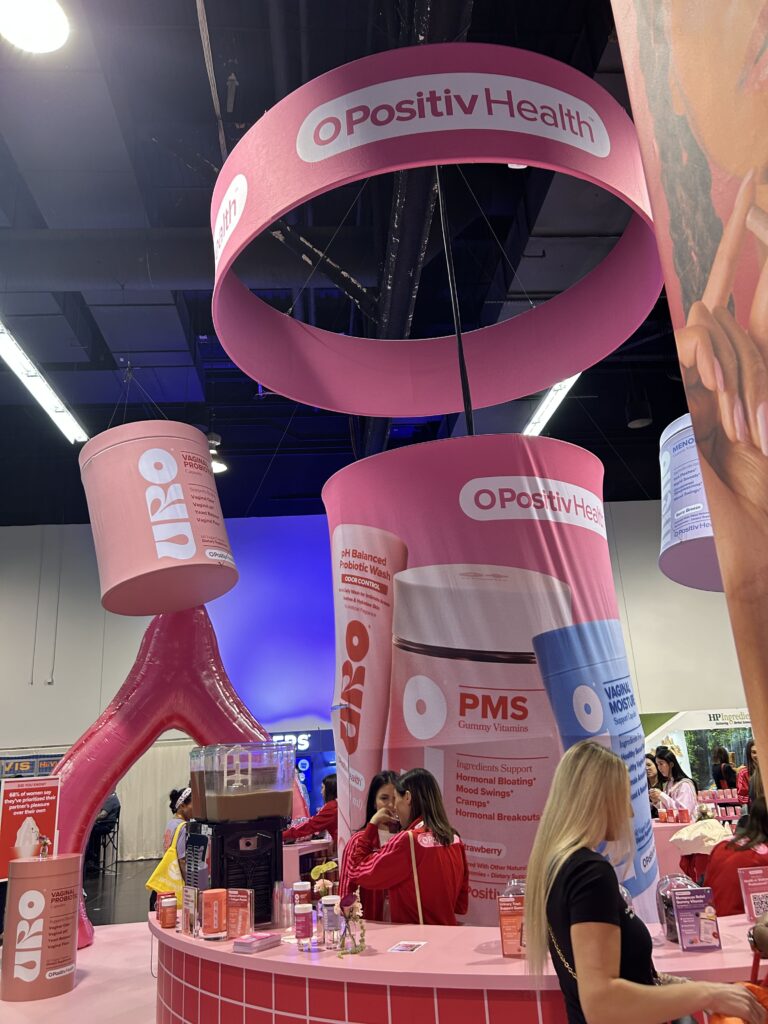
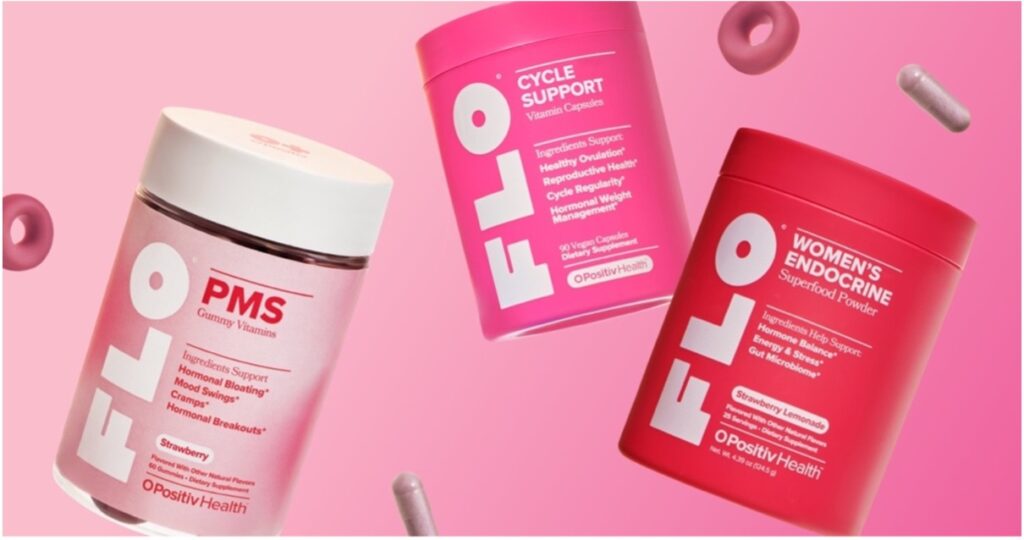
O Positiv Health continues to redefine how women’s wellness shows up—both on shelf and in culture. Focused on solutions for PMS, hormonal balance, and mood support, the brand has built a strong following by translating complex health needs into approachable, everyday formats.
What stood out at Expo West wasn’t just the product range, but the way the brand shows up. Their presence was energetic, highly engaging, and notably different from the traditionally clinical tone that has long defined the category.
More importantly, O Positiv reflects a broader shift in women’s health: away from episodic, symptom-driven solutions and toward ongoing, lifestyle-integrated support. Their positioning prioritizes clarity, relatability, and consistency—making products feel less like interventions and more like part of a daily routine.
In an increasingly crowded category, that shift—from clinical authority to cultural and emotional relevance—is what sets the brand apart.
2. Fermenta
Fermenta is leaning into the next phase of gut health—moving beyond single-strain or single-benefit solutions toward integrated, full-spectrum support.
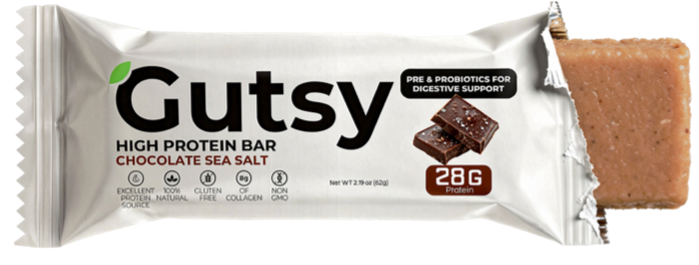
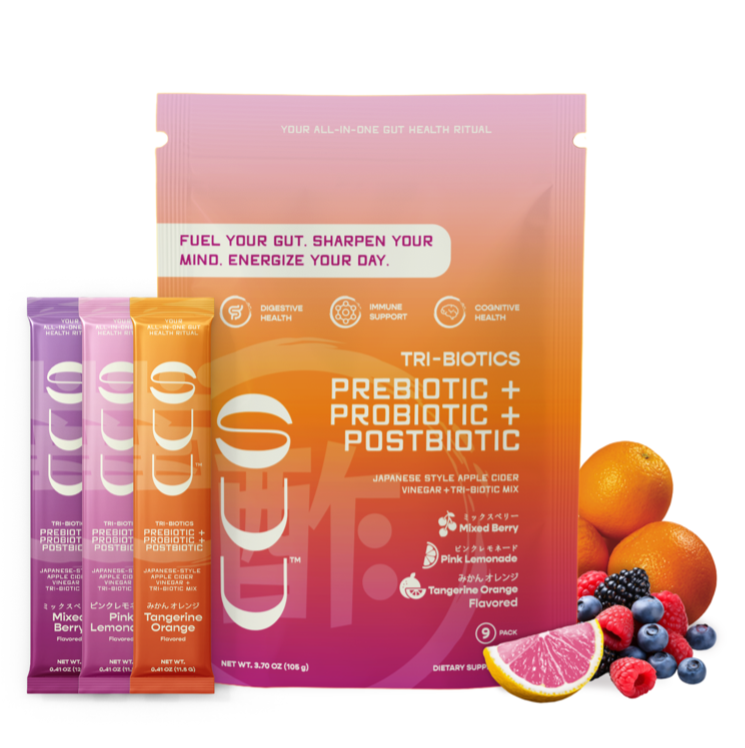
Their Suu Tri-Biotics drink combines prebiotics, probiotics, and postbiotics with apple cider vinegar, consolidating what has traditionally been a fragmented regimen into a single, accessible format. It’s a clear response to growing consumer fatigue around managing multiple products for digestive health.
Complementing this, their Gutsy Protein Bar (in flavors like Chocolate Sea Salt and Almond Vanilla) extends the benefit into a functional snacking format, reinforcing gut health as an ongoing, lifestyle-driven priority rather than a one-off intervention.
Together, these products highlight an important shift in the category: from complexity to convenience without compromise—where efficacy, taste, and usability are expected to coexist.
3. Fresh Fizz
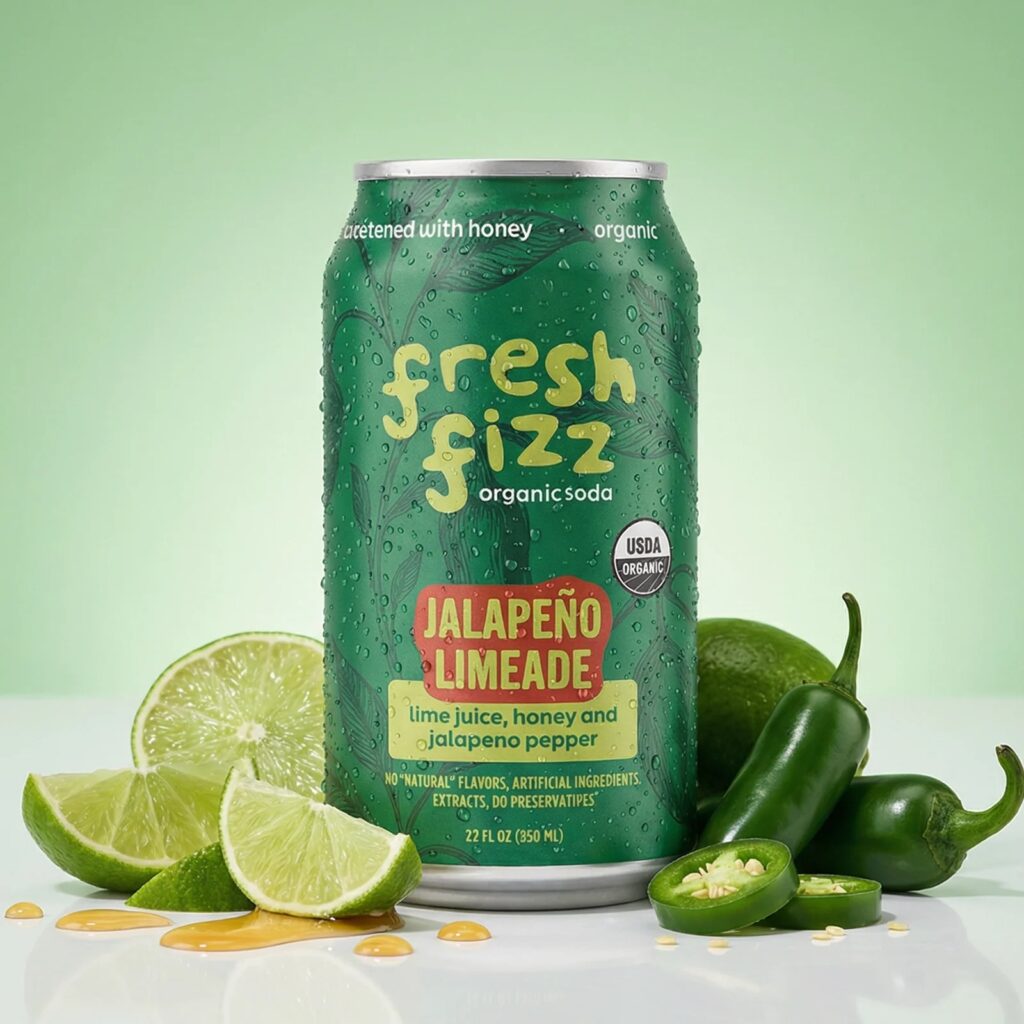
Fresh Fizz is part of the ongoing reinvention of soda—pairing bold, unconventional flavors like jalapeño lemonade with a cleaner, lower-sugar ingredient profile.
What sets the brand apart is its willingness to reintroduce play and experimentation into a category that often over-indexes on function or restraint. The flavor strategy invites discovery, giving consumers a reason to engage beyond health benefits alone.
More broadly, Fresh Fizz reflects a key shift: as traditional soda continues to decline, emerging brands are redefining the category around permissibility and frequency. The goal isn’t just to offer a “better-for-you” alternative, but to create an everyday beverage experience that feels both familiar and meaningfully upgraded.
4. Tatu
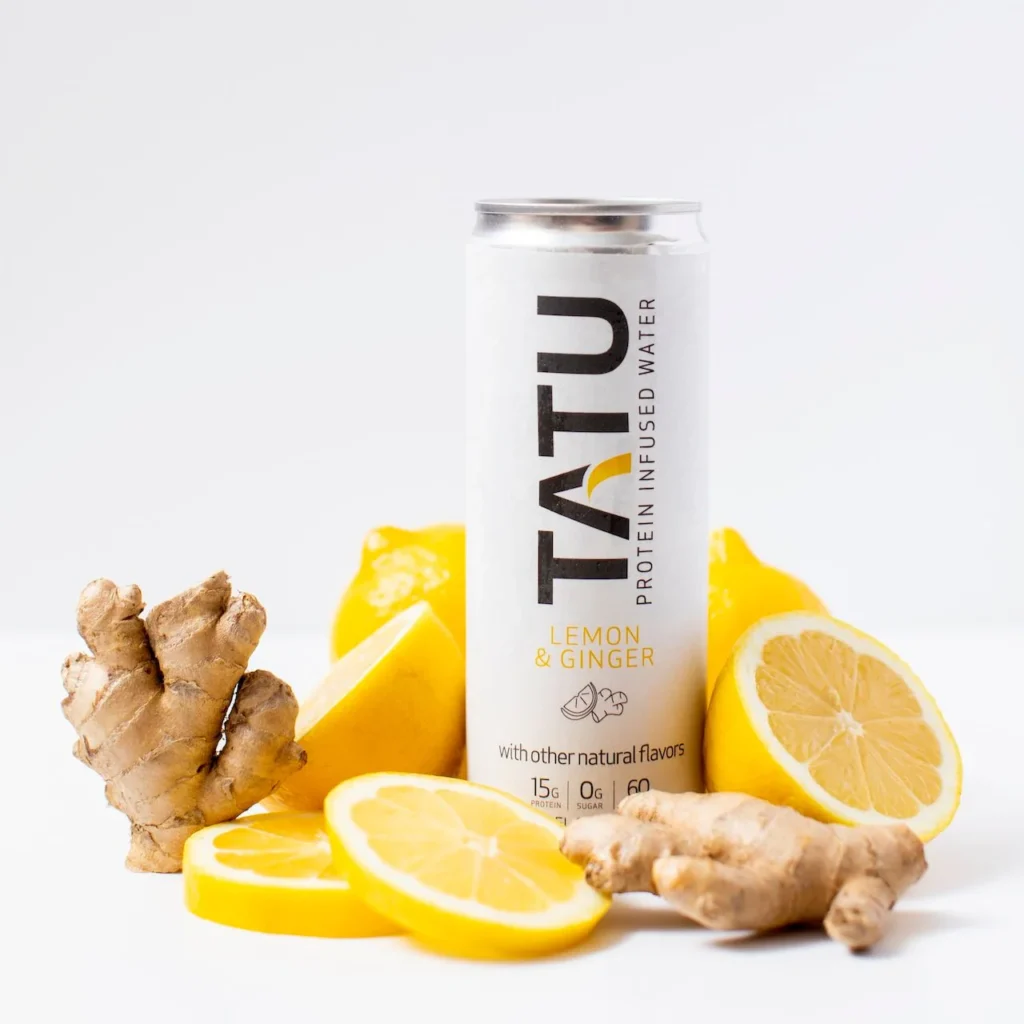
Tatu, a pioneer in protein water, debuted this year, Tatu is tapping into one of the more important format shifts in functional beverages: the move from heavy, shake-based protein toward lighter, more versatile delivery systems.
As a protein water, it offers a clean, refreshing alternative to traditional RTD shakes—making it easier to integrate protein into everyday moments beyond the gym. This positions protein less as a post-workout necessity and more as an easy input into daily wellness routines.”
As a woman-owned brand, it also reflects the growing influence of female founders shaping the future of functional beverages.
5. Kipster
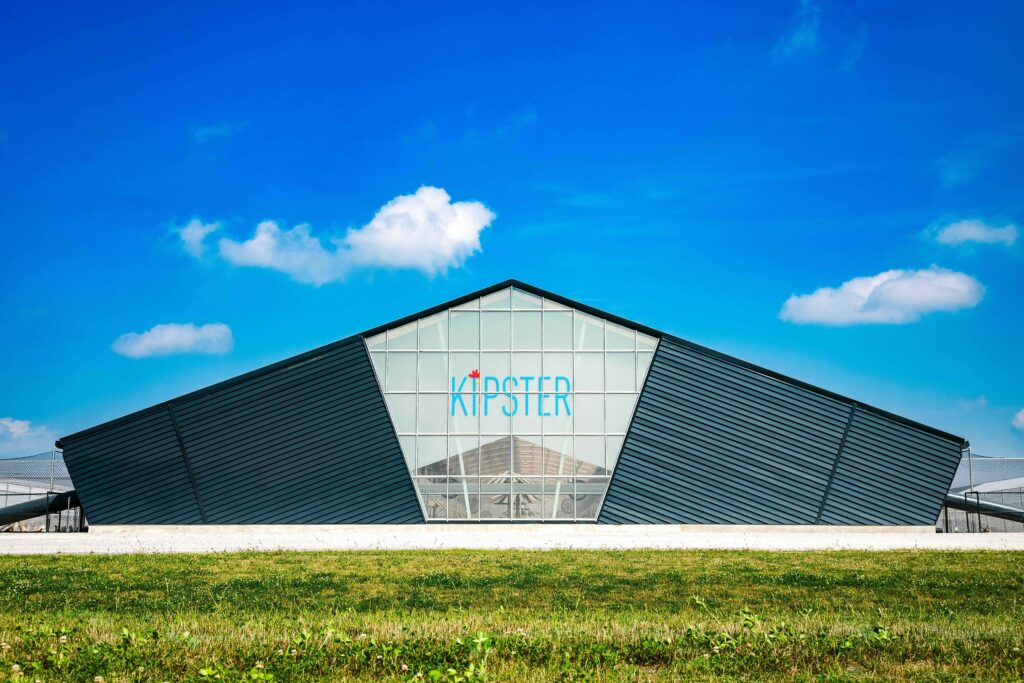
Kipster is rethinking one of the most commoditized categories in food—eggs—by redesigning the system behind the product.
Their model centers on circular farming, using food waste streams as feed and prioritizing animal welfare while significantly reducing the environmental footprint. The result is not just a more sustainable product, but a tightly controlled, vertically integrated approach that challenges how eggs are traditionally produced and marketed.
At a time when consumers are scrutinizing sourcing and production practices more closely, Kipster demonstrates how even everyday staples can become points of differentiation. It’s a shift from competing on price and claims to competing on system-level integrity.
6. Farmwell
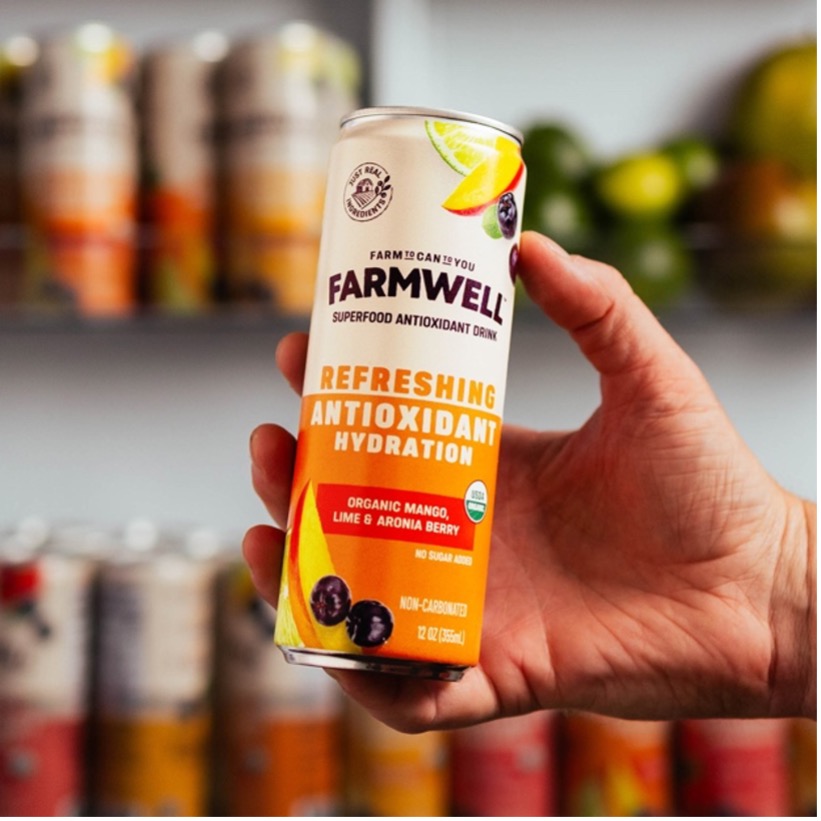
Farmwell is both a farm and a brand. While the farm started first with the growing of Aronia berries, the beverage idea was always there. Working toward an experience people could enjoy, Farmwell took a deliberately restrained approach in a category that often rewards complexity. Focused on clean ingredients and straightforward formulations, the brand emphasizes doing fewer things—more precisely—rather than layering on functionality or claims.
That restraint is what stands out. As many beverage brands compete through ingredient stacking and increasingly complex benefit positioning, Farmwell offers a clear counterpoint: clarity over complexity.
The result is a product experience that feels considered and trustworthy, appealing to consumers who are becoming more selective—and, in some cases, skeptical—of over-engineered wellness solutions. In that context, simplicity isn’t a lack of innovation; it’s a disciplined positioning choice.
7. Truvani
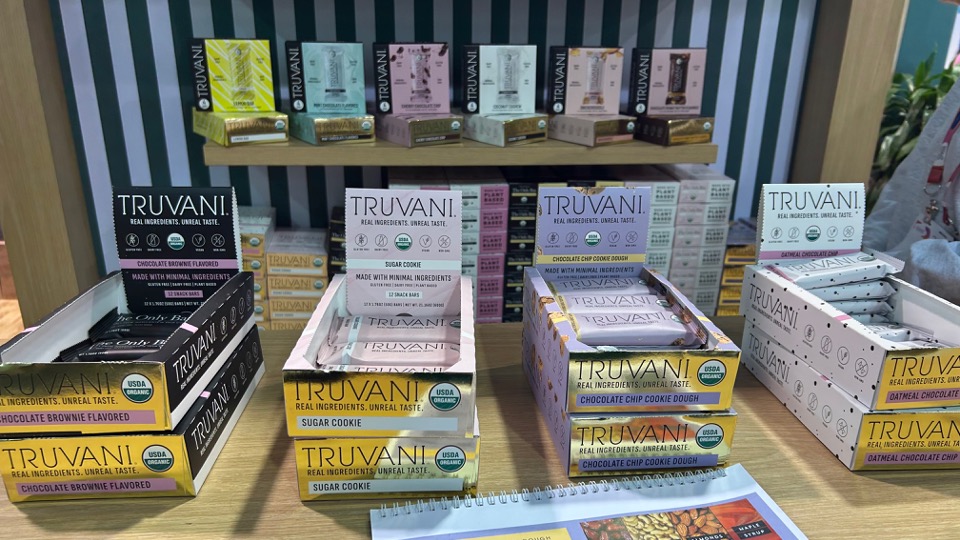
Truvani has built its position around an uncompromising interpretation of clean-label nutrition—prioritizing short ingredient lists, organic sourcing, and full transparency.
Founded by Vani Hari, the brand resonates with a growing segment of consumers who aren’t just looking for “better-for-you,” but for complete clarity and control over what they’re consuming.
At Expo West, that positioning came through clearly. Their plant-based protein powders and bars—formulated with minimal, recognizable ingredients—stand in contrast to a category often defined by long formulations and additive-heavy profiles.
Truvani reflects a broader shift within protein and wellness: from optimized formulations to eliminated uncertainty. In that context, simplicity becomes more than a product attribute—it becomes a trust-building mechanism.
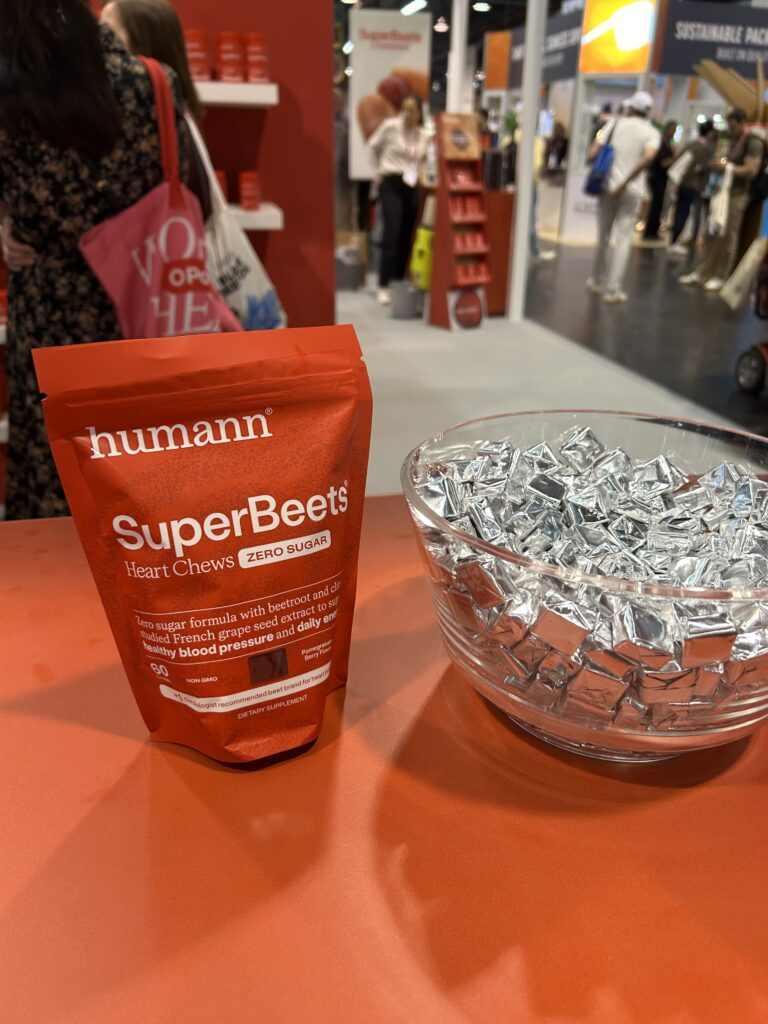
8. SuperBeets Gummies (Humann)
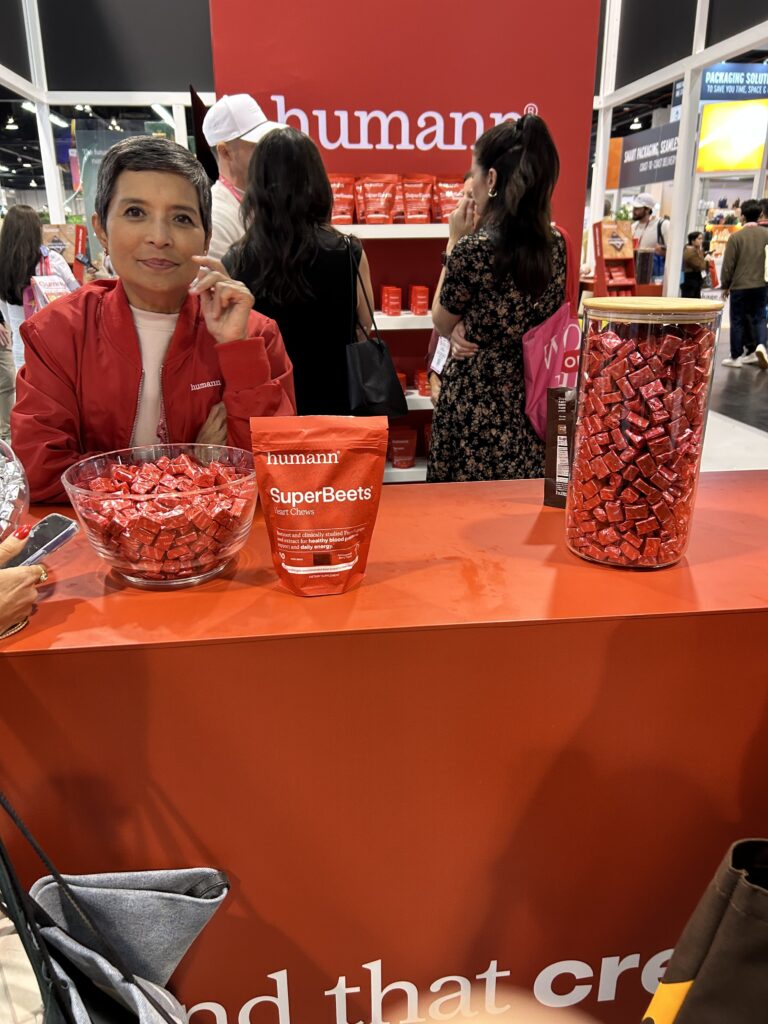
SuperBeets Gummies from Humann illustrate how established functional ingredients are being reintroduced through more accessible, habit-friendly formats.
Built around the cardiovascular and energy-support benefits of beets (via nitric oxide production), the product shifts delivery from traditional powders into a convenient gummy, lowering the barrier to daily use.
This reflects a broader evolution in supplements: efficacy is no longer enough on its own. Format, taste, and ease of integration are becoming critical drivers of compliance and long-term adoption.
In that context, SuperBeets isn’t redefining the benefit—it’s redefining how consistently consumers engage with it.
9. Gorgie
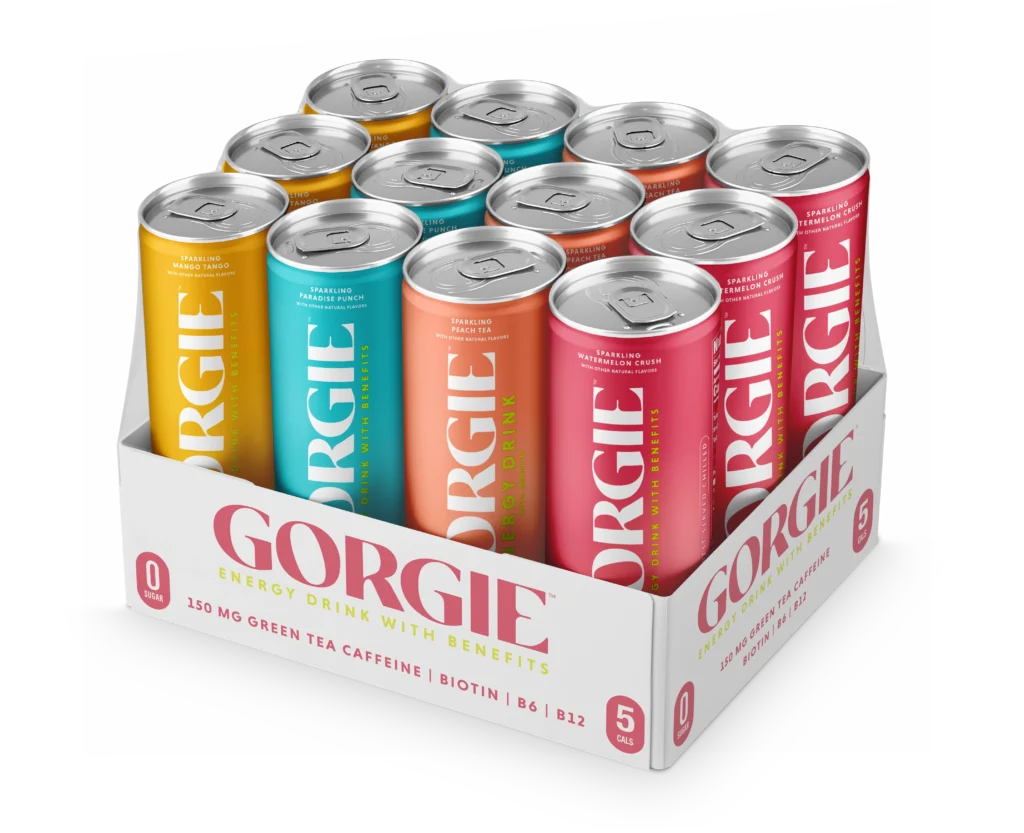
Gorgie reflects the continued evolution of the energy drink category away from high-stimulation, spike-and-crash formulations toward smoother, more sustained energy profiles.
Positioned as a cleaner alternative to traditional energy drinks, it aligns with growing consumer preference for lower-sugar, more balanced caffeine delivery that supports productivity without the volatility of overstimulation.
This shift speaks to a broader redefinition of energy itself—from intensity and peak performance to stability, focus, and all-day usability. In that context, products like Gorgie are not simply “healthier energy drinks,” but part of a category reset around how energy is experienced across the workday.
10. Caboo
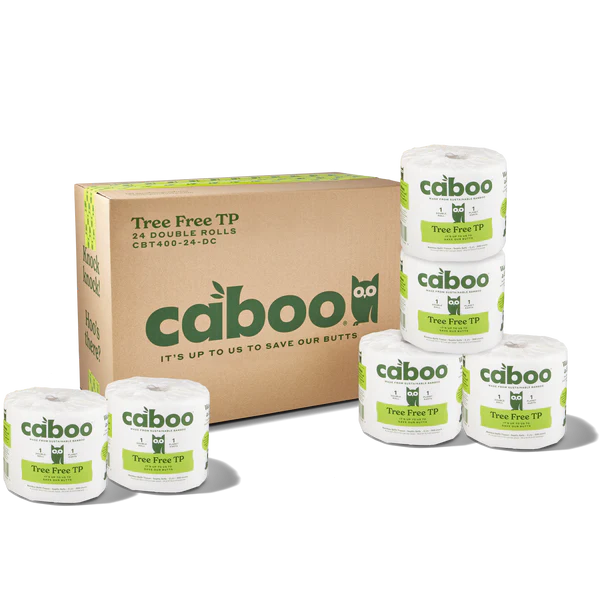
Caboo is addressing one of the most overlooked levers in sustainability: everyday household paper goods.
By replacing traditional tree-based pulp with bamboo fiber, the brand rethinks the raw material inputs behind a high-volume, low-consideration category—where small shifts in sourcing can scale into meaningful environmental impact.
What makes Caboo notable is not just the material choice, but the frictionless nature of the substitution. In categories like tissues, paper towels, and toilet paper, purchasing decisions are habitual rather than deliberative. Sustainability therefore has to be embedded directly into the default option, not layered on as an added consideration.
As sustainability becomes embedded in purchasing decisions, brands like Caboo make it easier to choose better, without overthinking it. And, as they say: “it’s up to us to save our buts.”
11. Australian Botanical Soap
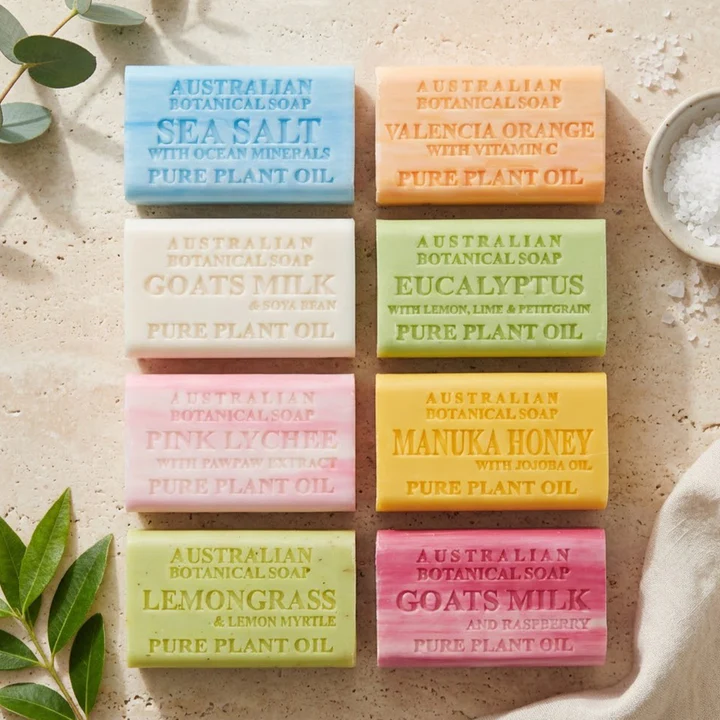
Australian Botanical Soap reflects a quiet but meaningful counter-movement within personal care: a return to simplified formulations and traditional, ingredient-transparent methods.
Built on plant-based ingredients and heritage-style soapmaking, the brand sits in contrast to a category that has increasingly moved toward multi-step, active-heavy routines and highly engineered skincare-style body care.
What stands out is not innovation in the conventional sense, but intentional reduction—offering consumers fewer steps, fewer ingredients, and a more straightforward product experience.
This aligns with a broader shift seen across Expo West: in certain categories, particularly personal care, simplicity is re-emerging as a form of functional clarity, not just aesthetic preference.
12. Dr. Tung’s
Dr. Tung’s represents the gradual reframing of oral care from basic hygiene maintenance into a broader component of systemic wellness.
Known for products such as tongue cleaners and natural oral care tools, the brand draws on Ayurvedic principles alongside contemporary wellness science to position oral care as more than a surface-level routine.
What stands out is the shift in how the category is being interpreted: brushing and flossing are increasingly being viewed not just as preventive dental habits, but as part of a whole-body health system linked to digestion, microbiome balance, and overall wellness.
In that context, Dr. Tung’s reflects a broader Expo West theme: everyday maintenance categories are being redefined as entry points into functional health ecosystems, rather than isolated hygiene tasks.

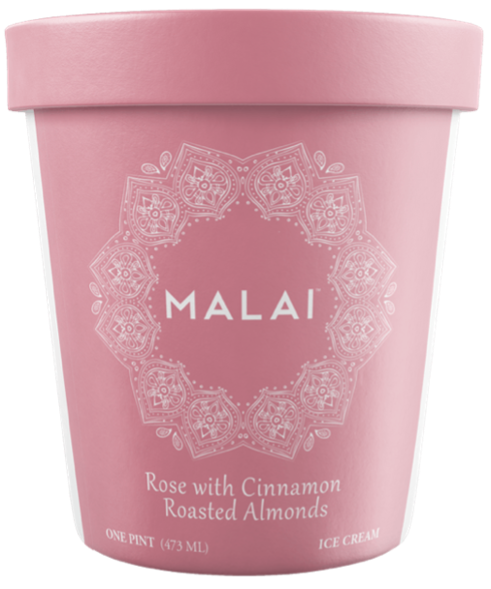
13. Malai
Malai brings a culturally rooted, ingredient-driven approach to premium ice cream, drawing inspiration from South Asian flavors, aromatic spices, and the founders’ heritage.
The result is a more globally expressive flavor profile that moves beyond conventional Western dessert frameworks, introducing combinations that feel both unexpected and grounded in tradition.
From a formulation standpoint, the product is eggless and churned with minimal air incorporation (low overrun), resulting in a denser texture and more concentrated flavor experience—positioning it firmly within the premium, craft ice cream segment.
More broadly, Malai reflects a shift in indulgence categories toward cultural specificity and texture-led differentiation, where quality is expressed not just through ingredients, but through how the product is constructed and experienced.
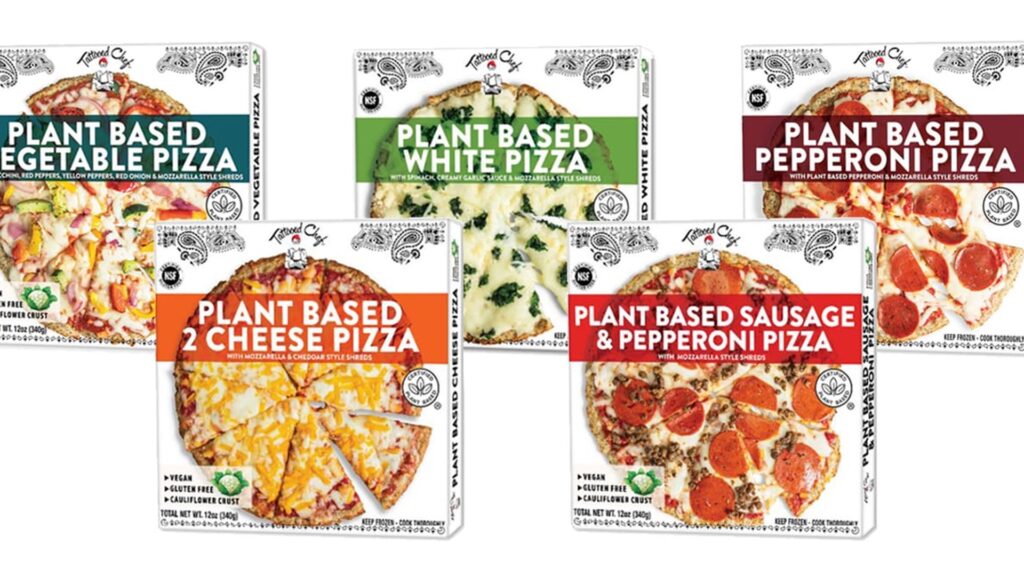
14. Tattooed Chef
Tattooed Chef’s return reflects a broader shift in the plant-based category—from identity-driven alternatives toward mainstream, convenience-oriented frozen and prepared foods.
Rather than positioning strictly around “plant-based” differentiation, the brand is leaning into familiar, accessible formats designed to compete directly with traditional frozen meal and snack occasions.
A notable example is their cottage cheese crust pizza, which blends indulgent familiarity with protein-forward formulation—illustrating how category lines between plant-based, dairy-adjacent, and functional nutrition are increasingly blurring.
More broadly, the direction here is clear: as the category matures, success is less about ideological substitution and more about delivering taste, convenience, and repeat purchase behavior at parity with conventional foods.
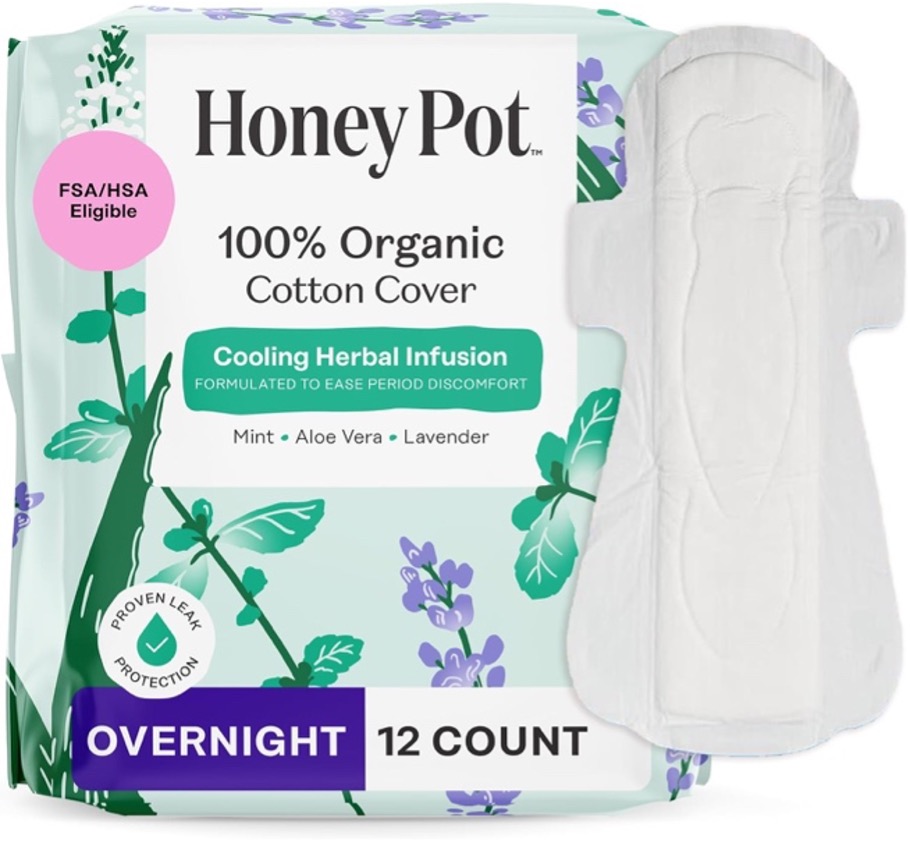
15. The Honey Pot Company
The Honey Pot Co. has played a key role in the normalization and mainstreaming of feminine care as a visible, openly discussed wellness category.
Built on plant-based formulations and a strong, culturally resonant brand voice, the company sits at the intersection of personal care and women’s health advocacy—helping move the category away from historical stigma toward ingredient-conscious, proactive self-care.
What distinguishes the brand is not just its “clean” formulation positioning, but its ability to combine product credibility with narrative leadership in a category that has traditionally lacked public discourse.
In that sense, Honey Pot reflects a broader shift across personal care: transparency is no longer a differentiator—it is an expectation, and brands increasingly compete on trust, voice, and cultural relevance as much as on formulation.
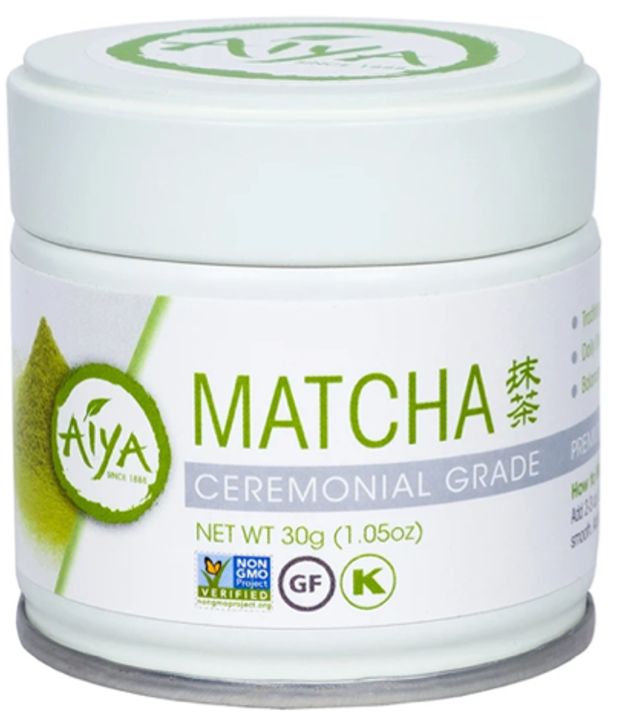
16. Aiya Matcha
Aiya Matcha brings long-standing credibility to a rapidly expanding and increasingly fragmented matcha category.
As global demand for matcha accelerates, the category is splitting between trend-driven consumer brands and established producers with deep sourcing and production infrastructure. Aiya sits firmly in the latter, emphasizing consistency, quality control, and origin integrity.
With over 130 years of family ownership and vertically integrated production rooted in traditional Japanese methods, the brand’s value proposition is less about reinvention and more about maintaining authenticity and standardization at scale.
In a category now shaped by proliferation and variation, trust is becoming a primary differentiator. Aiya reflects this shift: as matcha moves mainstream, the competitive advantage shifts from novelty to provenance, consistency, and supply chain control.
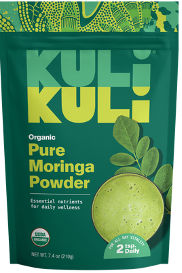
17. Kuli Kuli
Kuli Kuli is centered around moringa, a nutrient-dense ingredient that remains relatively underutilized in mainstream Western functional food categories.
What distinguishes the brand is not just its product range, but its role in building both consumer awareness and agricultural supply chains for moringa—linking product development directly to sourcing infrastructure.
Founded by Lisa Curtis, the company helped introduce moringa to the U.S. market and continues to position it as a scalable functional ingredient rather than a niche superfood.
This dual focus—consumer products alongside sustainable sourcing partnerships—reflects a broader model emerging in functional foods: category creation is increasingly dependent on upstream supply chain development, not just downstream marketing.
18. Orofill
Orofill represents the increasingly blurred line between targeted supplementation and systemic wellness solutions, with a strong focus on women’s health, aging-related symptoms, and whole-body vitality.
Built around formulations that include sea buckthorn and other nutrient-dense actives, the brand positions itself around supporting issues such as dryness, hormonal transitions, skin health, and energy—framing these not as isolated concerns, but as interconnected signals of broader physiological change.
What stands out is the brand’s emphasis on “systemic wellness fixes” rather than single-issue supplementation, aligning with a broader shift in the category toward multi-benefit formulations that address overlapping needs such as hydration, skin integrity, and neurovitality.
In the context of Expo West 2026, Orofill reflects a growing trend in functional health: the move away from narrowly defined supplements toward integrated wellness systems designed around life-stage biology, particularly in women’s health and longevity positioning.

Happy Anniversary!
This year, KAMUT® brand wheat celebrates 40 years as a unique, “better for you” whole-grain option prized for its sweet, nutty-buttery flavor and firm texture.
As a long-standing example of an ancient grain grown under strict standards of preservation, purity, organic production, and quality, this year, we celebrate a commitment that has guided founder Bob Quinn throughout all these years: “improving the health of our soils is the first step toward improving the health of people everywhere.”
We were thrilled to gather at the KAMUT® booth to celebrate this milestone and share cookies made with KAMUT® flour by Cedar Baking’s Andrea Cirino.
Now under the leadership of Kamut International President Trevor Blyth, the mission continues, grounded in a simple but powerful truth: not all grains are the same, and how they are grown still matters.