 Food
 Farmers
 Sustainable Living
 Living Planet
 News
Staying independent as we age means being able to keep doing the things we enjoy, from cooking a favorite meal to spending time with friends. Memory and clear thinking are a big part of that.
So it’s understandable that foods promising better brain health get our attention. The harder question is whether the research supports the claims.
Scientists are studying how diet may support cognitive resilience: the ability to maintain memory and thinking skills despite age-related changes. Much of that work examines eating habits over years or decades. It gives us a more useful perspective than a headline promising that one food will keep our brains young.
What Recent Studies Tell Us About Diet and Brain Health
Researchers studying 1,647 adults in the Framingham Heart Study found that people who followed the MIND diet more closely lost gray matter more slowly over about 12 years. This is the brain tissue involved in learning, memory, and processing information.
The study tracked people’s habits rather than assigning them a diet, so it cannot prove that their food choices caused the difference. Slower changes on a brain scan also do not necessarily mean someone will avoid dementia.
A larger study, published in Nature Medicine in 2025, followed more than 105,000 adults for up to 30 years. People with healthier eating habits were more likely to reach age 70 with good cognitive, physical, and mental health and without major chronic diseases.
Several eating patterns were associated with these benefits. They generally included more vegetables, fruit, whole grains, nuts, beans, and unsaturated fats, such as those found in olive oil. This study also cannot establish cause and effect, but it adds to the evidence that what we eat in midlife may be relevant to how we feel and function later.
What Is the MIND Diet?
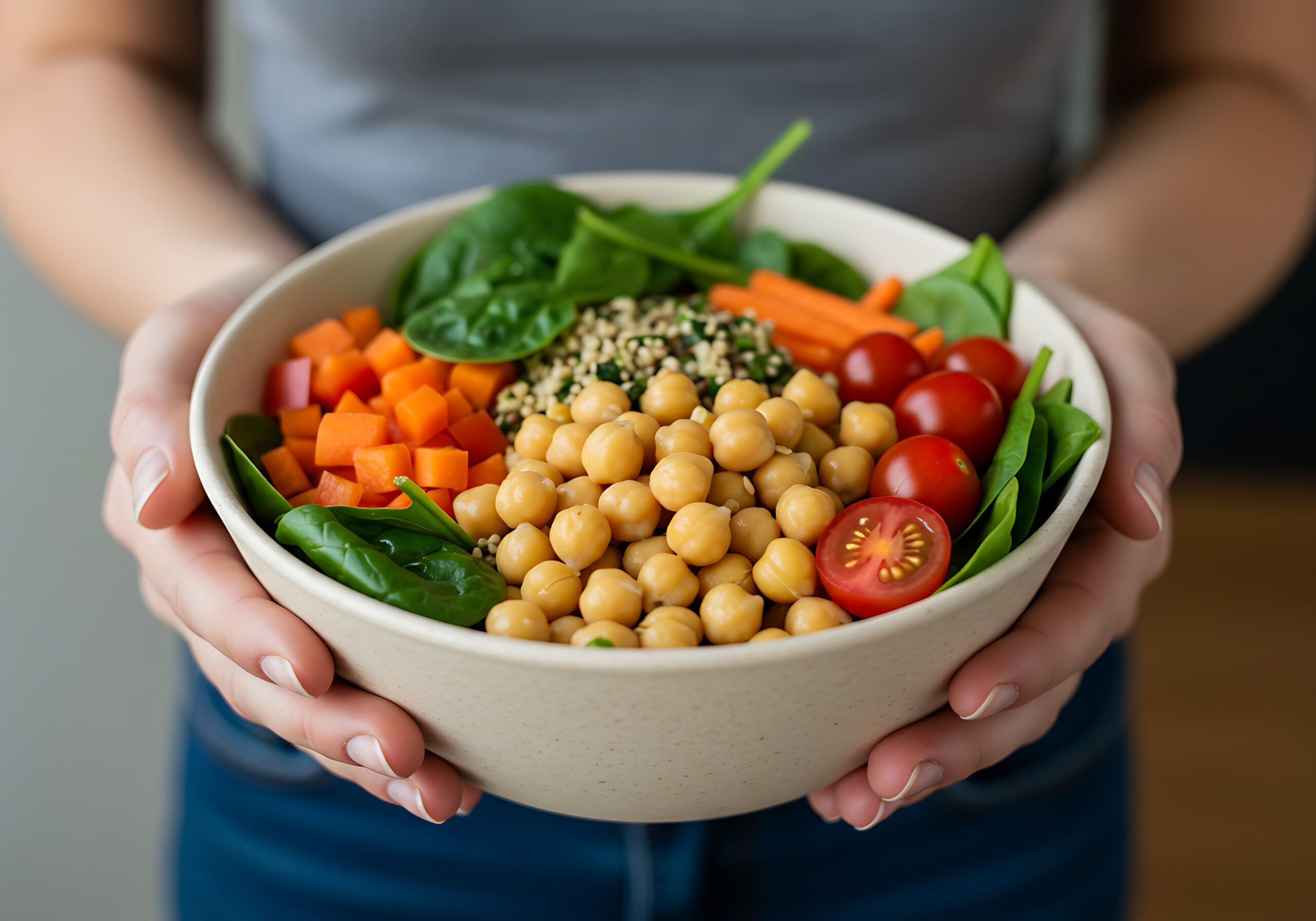
The MIND diet draws from the Mediterranean diet and DASH, an eating plan developed to help manage blood pressure. It emphasizes leafy greens, other vegetables, berries, beans, whole grains, nuts, olive oil, fish, and poultry. Pastries and fried fast food are among the foods it recommends limiting.
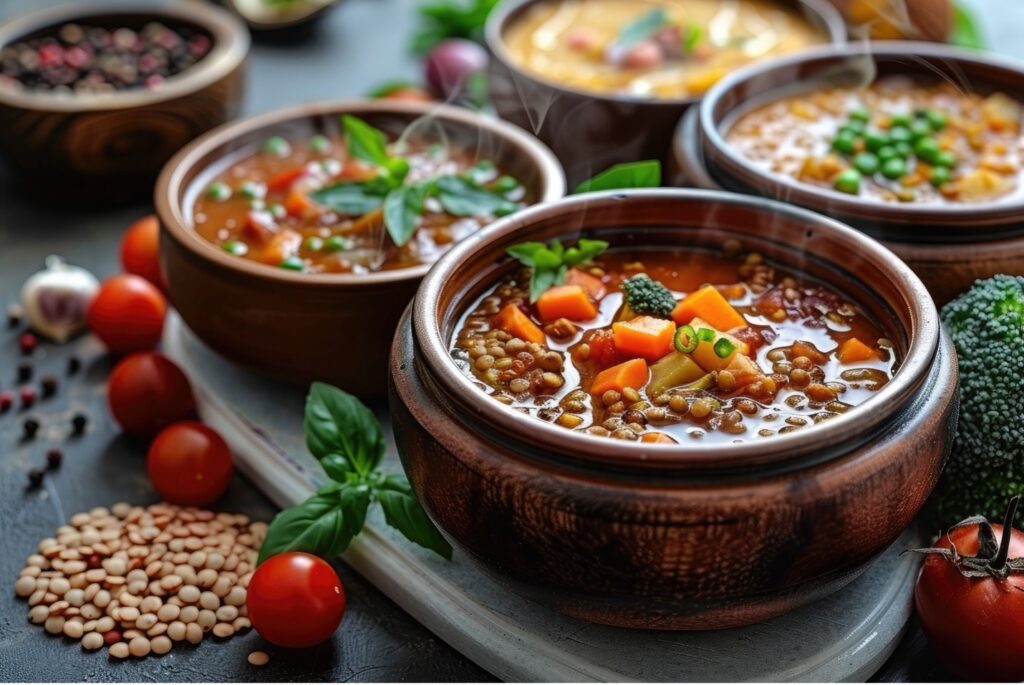
Many familiar dishes fit this approach. Lentil soup with spinach, oatmeal with berries, or roasted vegetables with brown rice are a few examples. There’s room to adapt the ingredients to your own cooking traditions and budget.
Whether the MIND diet can slow cognitive decline remains an open question. A three-year randomized trial published in 2023 found no significant difference in changes in thinking abilities or brain scans between adults following the MIND diet and those following a comparison diet. Both groups received dietary counseling and support to reduce calories modestly, and both improved on cognitive tests.
The MIND diet offers a useful guide to choosing nutritious foods. Calling it a proven way to prevent cognitive decline, however, would go further than the evidence allows.
Brain Health Depends on More Than Food
The 2025 U.S. POINTER trial examined what happens when people work on several health habits together. It followed 2,111 older adults at increased risk of cognitive decline and compared two programs involving nutrition, exercise, activities that challenged the mind, social engagement, and health monitoring.
After two years, both groups performed better on tests of memory and thinking. Those in the more structured program, which provided more guidance and support, improved more.
Because the programs combined several activities, researchers cannot tell how much of the difference came from diet alone. The trial also did not establish that the programs prevent dementia. It did show that a structured approach to these habits can benefit thinking abilities.
For readers, this puts food in a useful context. A nutritious dinner matters, and so do regular movement, time with other people, and care for existing health conditions. Some habits can fit together naturally, such as meeting a friend for a walk or cooking a new recipe together.
Making Brain-Friendly Eating Part of Your Week
You can start with meals you already make and ingredients you know you’ll use:
- Add greens to a favorite dish. Stir spinach into soup, cook kale with beans, or serve a salad alongside dinner.
- Keep a few convenient staples. Frozen berries, canned beans, oats, and frozen vegetables can help when you have little time to cook.
- Put beans on the menu. Try chickpea stew, lentil soup, or a bean filling for tacos.
- Find whole grains you enjoy. Oats, brown rice, barley, and whole-wheat bread offer different flavors and textures.
- Give leftovers a second meal. Add roasted vegetables to a sandwich or use cooked grains in tomorrow’s lunch.
Choose one change that suits your routine and build from there. There’s no need to replace every family recipe or give up the pleasure of eating.
Researchers still have more to learn about diet and cognitive resilience. The findings so far give us good reasons to pay attention to our eating habits, without expecting certainty from them. A pot of beans, a breakfast you enjoy, or vegetables added to a familiar dinner are practical places to begin.
