 Food
Food Farmers
 Sustainable Living
 Living Planet
 News
News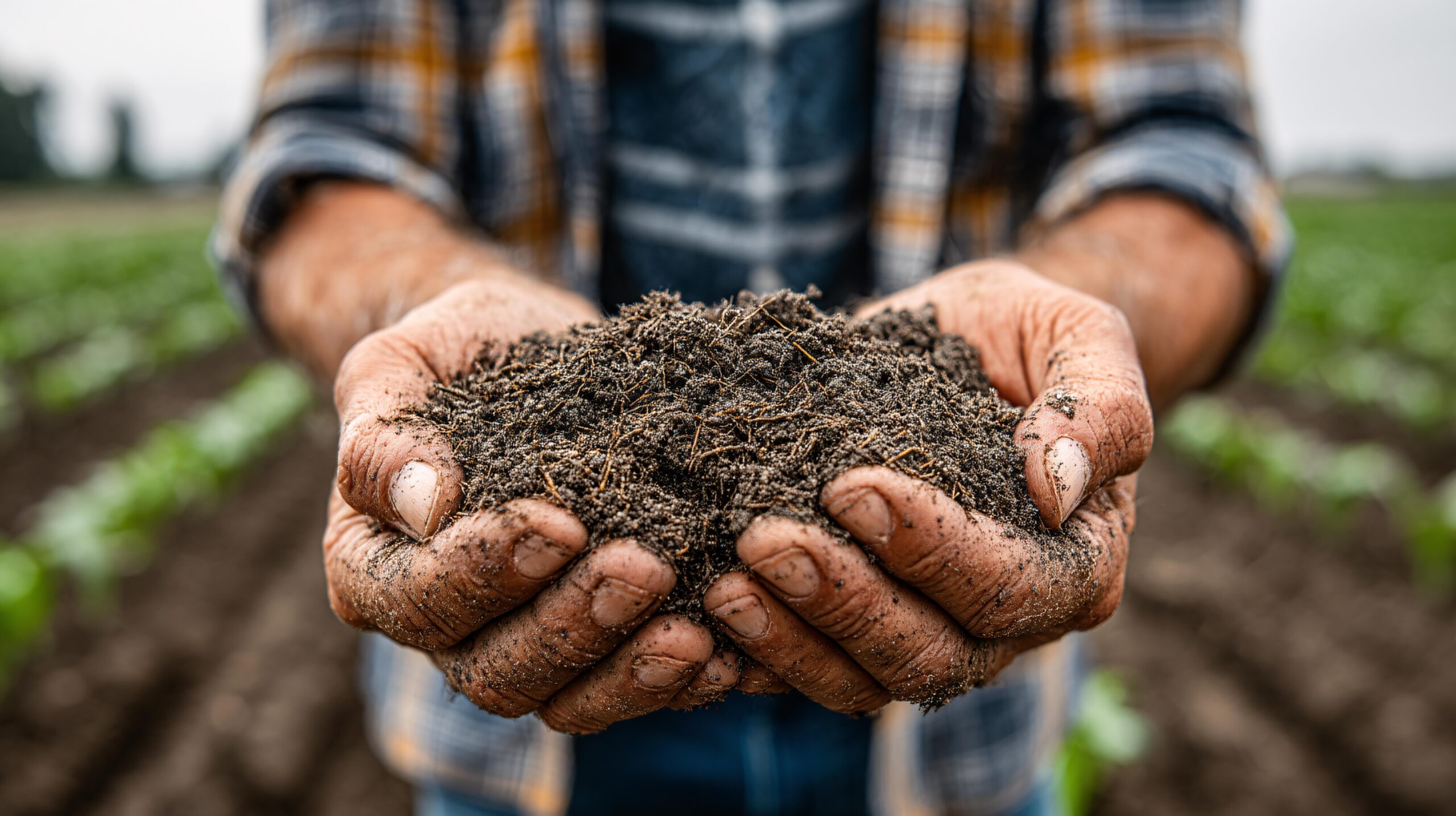
“Regenerative” is appearing on more food packages. But what does the term promise—and how can shoppers tell what is happening on the farm?
Healthy soil is at the heart of regenerative agriculture. Farmers may use practices such as crop rotation, cover crops and reduced reliance on synthetic inputs to support the land over time. As interest grows, so does the number of labels promising to identify food produced this way.
The challenge is that those labels do not all require the same things. A 2026 Friends of the Earth review of 10 food labeling programs found substantial differences in their rules for pesticides, soil health, verification and tracing ingredients from farm to shelf.
Why regenerative labels differ
Some programs set requirements a farm must meet before it can use a label. Others recognize farms as they make improvements over time. Both approaches can encourage better practices, but they tell shoppers different things. A label showing progress may not make clear which practices are already in place.
That distinction matters when someone assumes “regenerative” means a product was grown without synthetic pesticides. Depending on the program, it may not. The debate is less about whether soil health matters and more about what a label should guarantee and how clearly it should say so.
What Can KAMUT® Brand Wheat Show Us?
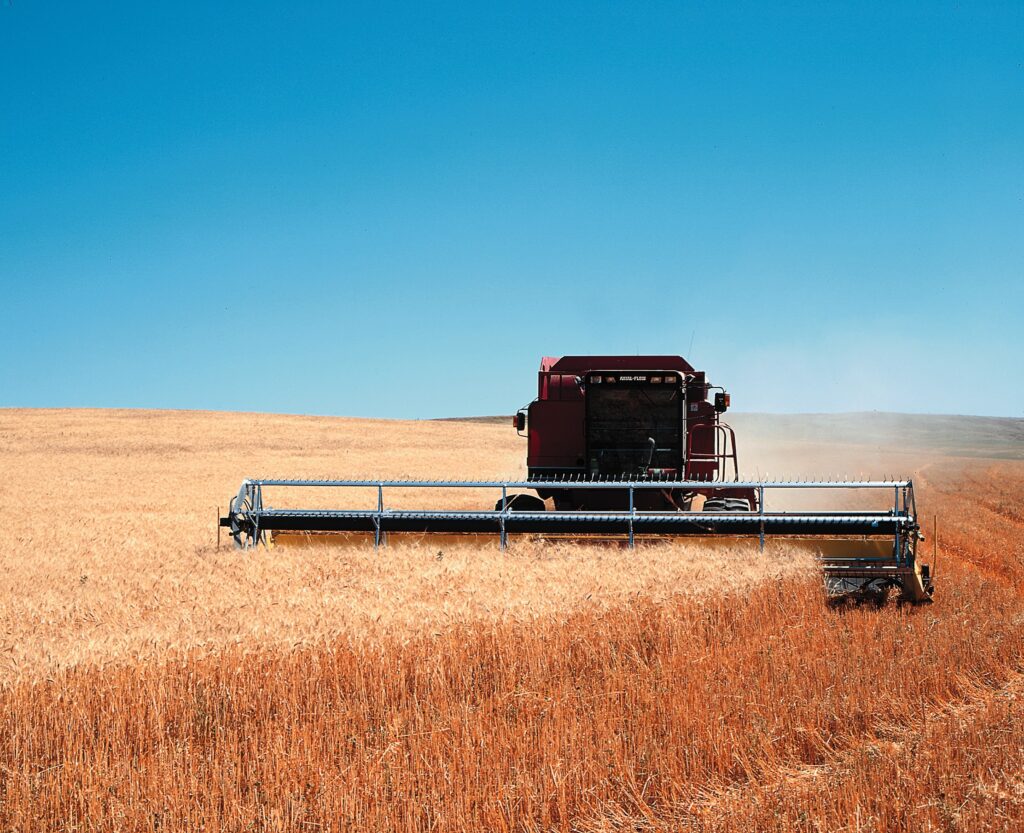
KAMUT® Brand Wheat offers a useful example of making a farming commitment specific. Wheat sold under the KAMUT® trademark must be grown as a certified organic grain. The brand also works to preserve the ancient wheat variety and sets requirements for its identity and quality. Its founder, Bob Quinn, has long advocated for regenerative organic farming.
Those commitments give consumers something concrete to examine. They do not mean every KAMUT® product carries a separate regenerative certification. Rather, they show why it helps to look beyond a broad claim and ask which farming practices and standards stand behind it.
Regenerative agriculture has the potential to change how food is grown. For shoppers to trust the term, labels need to make their promises understandable. The next time you see “regenerative” on a package, look for the details: What practices are required, who checks them, and what does the label actually guarantee?
