 Food
Food Farmers
 Sustainable Living
 Living Planet
 News
News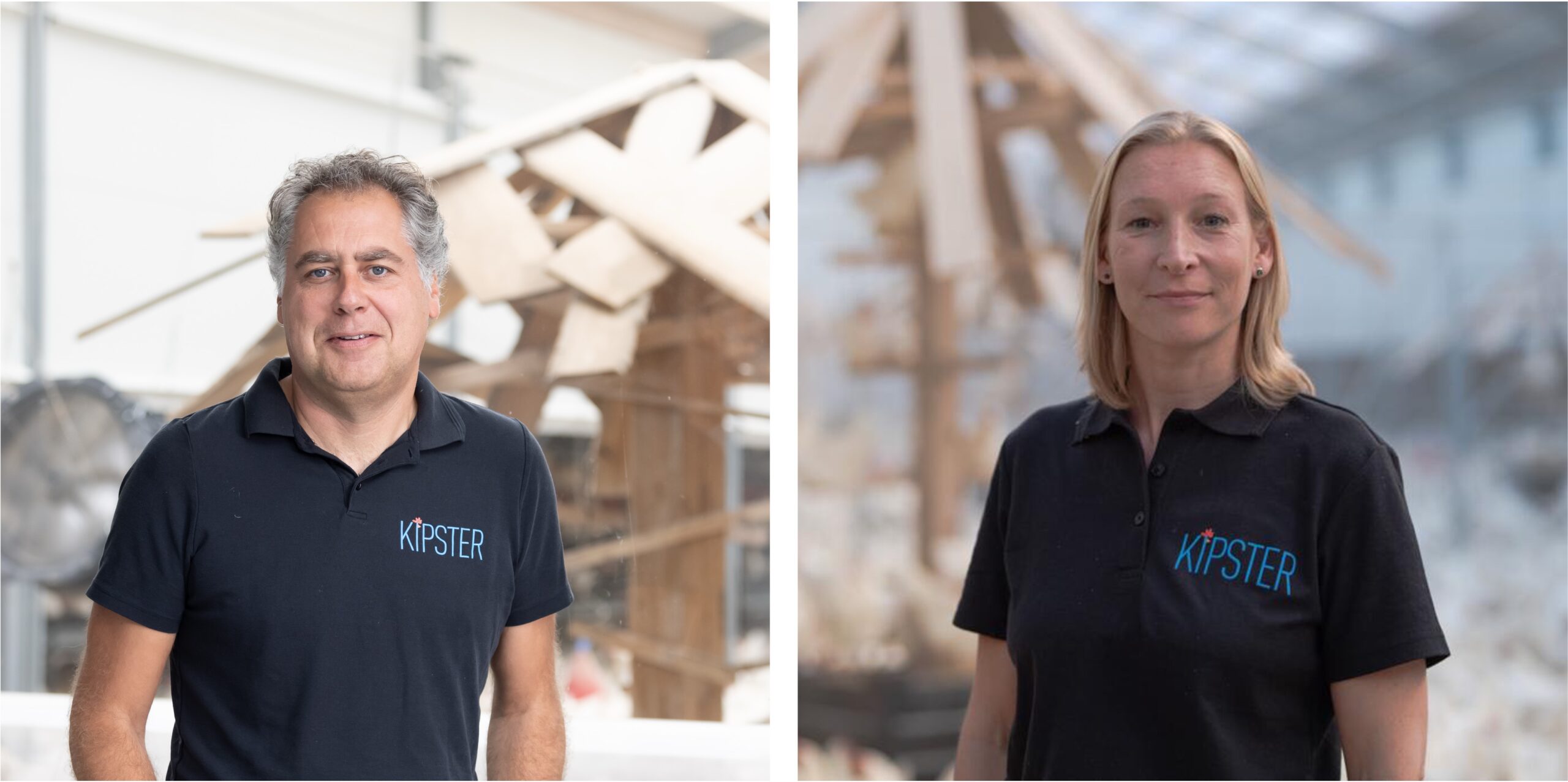
Eggs have long been one of America’s most consumed foods — a breakfast staple and everyday source of protein found in millions of kitchens nationwide. U.S. egg consumption continues to grow, with per capita consumption projected to reach nearly 274 eggs annually by 2026. Yet in recent years, rising egg prices, avian flu outbreaks, supply chain disruptions, and growing concerns around industrial agriculture have caused consumers to look more closely at how eggs are actually produced.
As conversations around food sustainability, animal welfare, and resource efficiency continue to evolve, sustainable egg farming is becoming a larger part of the discussion surrounding the future of food. Dutch company Kipster is among the businesses that are rethinking conventional egg production through a model centered on circular agriculture, low-impact farming, transparency, and animal welfare.
Founded in the Netherlands, Kipster has gained international attention for designing farms that operate differently from traditional egg farming systems. Their views on chickens as intelligent animals with emotions and social behaviors drove the design of its farms to support both their physical and emotional well-being.
Rather than relying primarily on conventional feed crops such as corn and soy, Kipster incorporates carefully selected food-industry byproducts into its feed while also utilizing renewable energy and transparent farming practices that allow consumers to see how food is produced. Even the color of its eggs reflects the company’s sustainability mindset: Kipster intentionally produces white eggs because they typically carry a lower carbon footprint than brown eggs. For this edition of Eco18’s “18 Questions,” we spoke with Kipster co-founder Ruud Zanders and Managing Director USA Sandra Vijn about sustainable egg farming, circular food systems, animal welfare, and what the future of agriculture may look like in a resource-constrained world.
Eco18’s 18 Questions with Kipster
1. Kipster has been described as a “new model for egg farming.” What sparked its creation?
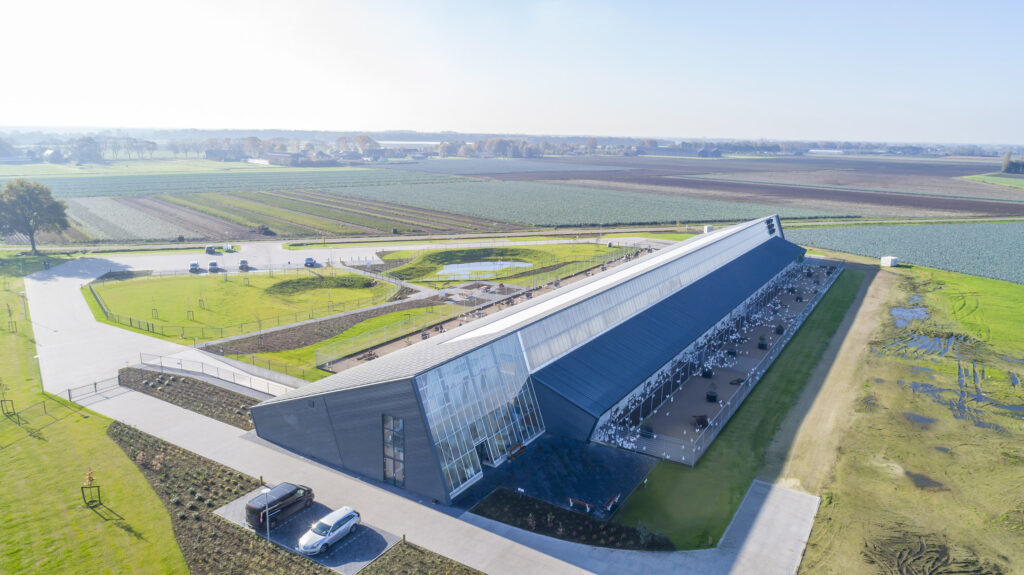
The idea came after my experience with our large family poultry farm that eventually went bankrupt. That period forced me to step back and rethink conventional egg production and ask whether the system truly made sense long term. I realized the future of egg farming needed to focus not only on efficiency, but also on sustainability, transparency, and animal welfare, said Ruud Zanders, co-founder of Kipster.
2. What problem in conventional egg production were you most determined to solve?
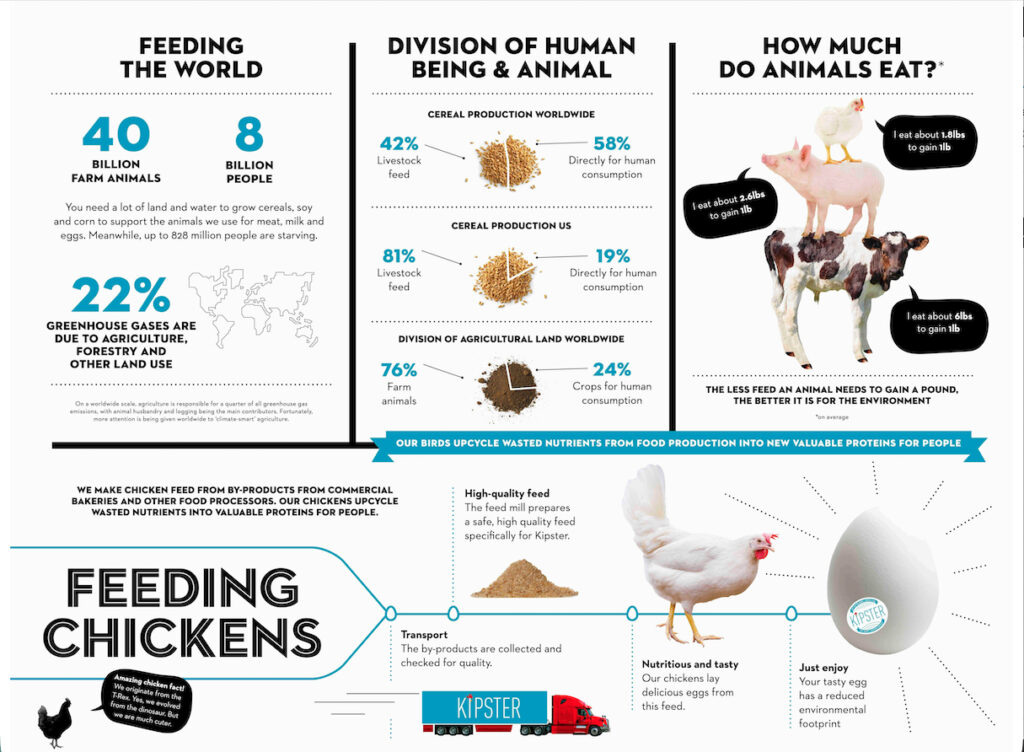
One of the biggest issues is that livestock are often fed resources that humans could consume directly. We wanted to stop competing with people for food. Globally, millions still face hunger, so using high-quality grains for animal feed did not feel sustainable to us.
3. Kipster is often associated with sustainable egg farming and low-impact agriculture. How do you define sustainability in daily operations?
For us, sustainability means looking at the full system, which is feed, land use, energy, emissions, waste, and animal welfare, and understanding how all those elements connect, said Sandra Vijn, Managing Director of Kipster USA.
4. One of Kipster’s standout features is feeding chickens with food industry byproducts. How does that work?
Ruud: We use carefully selected leftovers and byproducts from the food industry that humans cannot consume, but that still contain valuable nutrients. Chickens are natural upcyclers, and we believe reducing food waste must become part of the future of sustainable agriculture.
Kipster’s circular agriculture model is central to its sustainable egg farming philosophy. By redirecting food industry leftovers into animal feed, the company aims to make more efficient use of existing food-system resources while reducing competition between livestock and humans for agricultural land and crops.
5. How do you ensure that circular feed systems still meet the nutritional needs of the hens?
Ruud: Animal health always comes first. We work closely with nutritionists to ensure every ingredient contributes to a healthy and balanced diet. Sustainable egg farming only works if the hens themselves are healthy and thriving.
6. Animal welfare is central to Kipster’s model. What does a “good life” for a chicken look like?
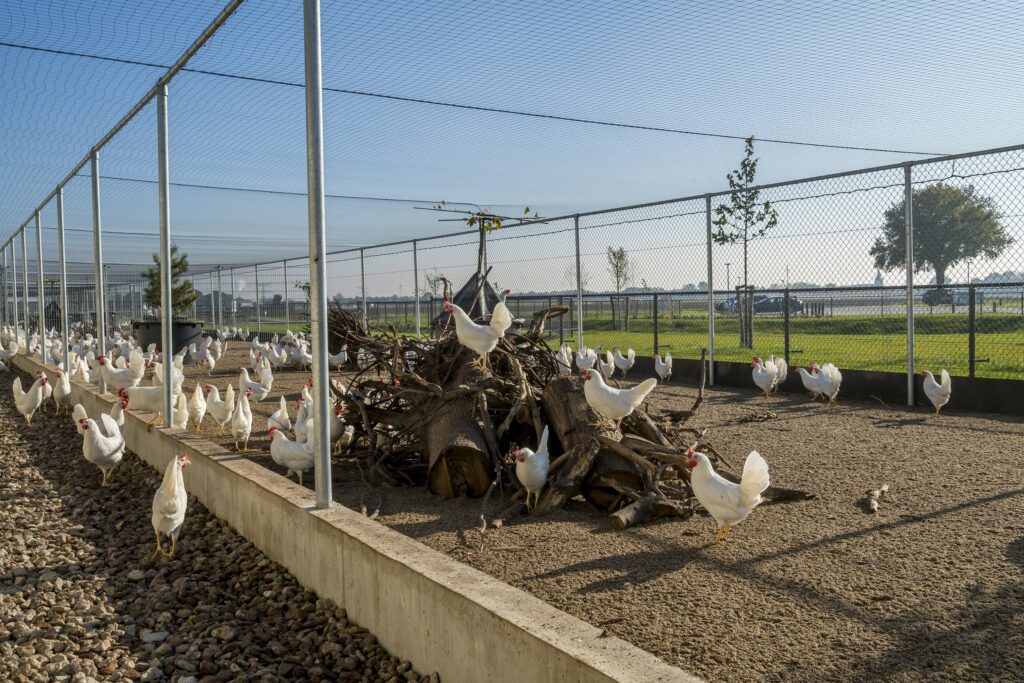
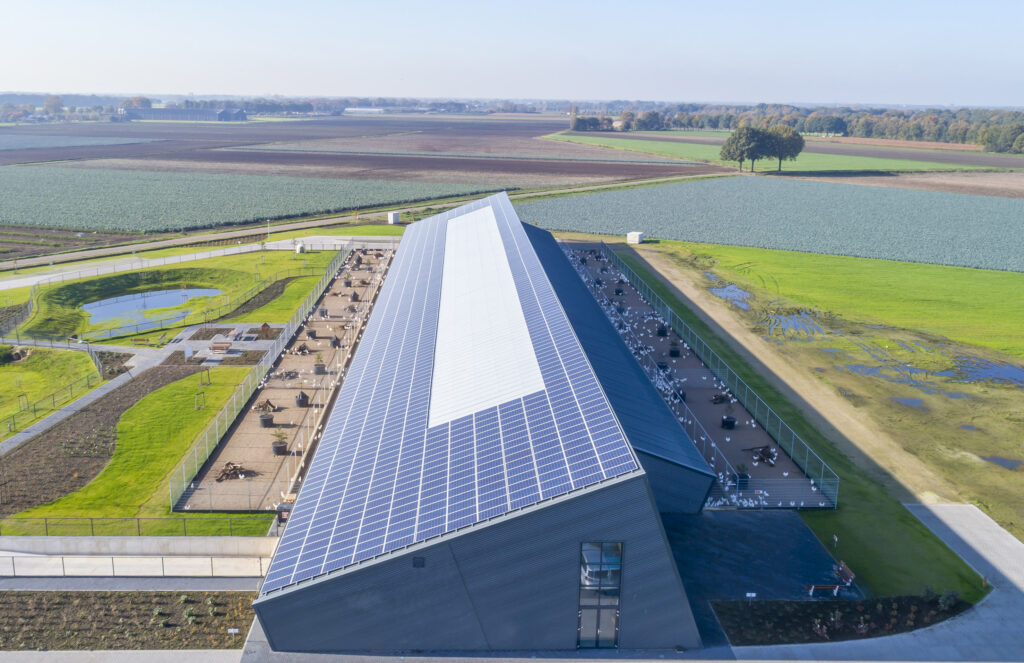
Sandra: Chickens are intelligent animals with instincts and social behaviors. A good life means allowing them to express those behaviors safely. Our hens have access to daylight, perches, indoor gardens, outdoor areas, and spaces designed around how chickens naturally behave.
Rather than relying on common industry practices such as beak trimming, Kipster focuses on designing an environment that naturally reduces stress and aggressive behavior. The company reduces pecking by providing density, daylight, a proper design of the house, ventilation, good temperature management, and many other things to help reduce pecking, along with pecking blocks and hay bales. They also scatter feed throughout the indoor garden for foraging fun.
Lastly, the outdoor area of the farm is designed to be easily accessible while remaining protected with fencing and netting to help keep predators away and avoid missing animals.
7. Many consumers look for labels like “cage-free” or “free-range.” How does Kipster go beyond those standards?
Ruud: Labels can simplify things too much. “Free-range” alone does not always guarantee good welfare. We focus on the birds’ overall well-being, including stress reduction, safety, environmental enrichment, and natural behaviors.
Kipster also emphasizes third-party verification as part of its transparency efforts. The company has received certifications, including CarbonNeutral® by Climate Impact Partners certification, Certified Humane®, and Certified B Corporation status.
8. Transparency plays a major role in your brand. Why was it important to make your farms visible to the public?
Sandra: We believe people should be able to see how their food is produced. That’s why we created visitor viewing rooms and installed live cameras in some barns that anyone can access online.
Ruud: If consumers cannot see what happens on farms, trust disappears. Transparency creates accountability and helps reconnect people with the food system.
9. How do you help consumers understand a farming model that is more complex than conventional egg production?
Ruud & Sandra:
That’s one of our biggest challenges. Sustainable egg farming involves many interconnected ideas like circular agriculture, food waste reduction, renewable energy, and animal welfare, and those are not always easy to communicate on a carton in a grocery store.
10. What have been the biggest challenges in scaling a concept that prioritizes sustainability and animal welfare?
Sandra: Finding partners who truly share long-term sustainability goals is critical. In the Netherlands, collaboration between retailers, NGOs, and government organizations helped us grow. In the United States, we’ve had to approach scaling differently.
11. Kipster previously partnered with Kroger through the Simple Truth label. What did that experience teach you?
Shoppers have been able to find the company’s eggs at Kroger under its Simple Truth label for the past few years. However, the partnership recently concluded, allowing Kipster to bring its own brand directly to market in the United States.
Sandra: The partnership helped introduce our sustainable egg farming model to American consumers. Now we are launching more independently and building our own brand identity while staying focused on upcycled feed, solar-powered operations, and animal-centered farm design.
As Kipster expands its U.S. presence, the company is working to bring its eggs to additional retail locations. Consumers can visit the company’s website to learn more about the brand and stay updated on future availability.
12. Do you think consumers are truly willing to change purchasing habits for more sustainable eggs?
Ruud: There is still a gap. Many consumers care about sustainability and ethical egg production, but affordability remains important. One challenge is helping people understand that low food prices often do not reflect the environmental or animal-welfare costs.
13. Technology plays an increasing role in modern agriculture. What innovations are most important to Kipster’s approach?
Ruud: Our innovation is often about combining existing systems differently so they better support animals and the environment.
Kipster’s farms leverage technologies such as AVR systems and air scrubbers in ways that improve both environmental performance and animal welfare outcomes.
Sandra: Some of the greatest opportunities for agricultural innovation in the United States lie in areas such as feed processing, meat production, and on-site renewable energy generation. The growing role of artificial intelligence in sustainable agriculture can help assess the nutritional composition of food waste and help develop smaller, more flexible processing systems.
14. How do you measure success environmentally, economically, and socially?
Ruud: Success is not measured only through profitability. We also evaluate land use, energy consumption, carbon footprint, animal welfare outcomes, and the broader impact on the food system.
The environmental impact of Kipster’s model is significant. By incorporating upcycled feed ingredients and generating part of its electricity through on-site solar energy, the company says its eggs have a carbon footprint approximately 23% lower than systems relying on conventional feed and traditional energy sources.
Kipster’s operations have also achieved official net-zero carbon certification, while Kipster says its farms use up to 40% less land than conventional egg production systems.
15. What are some of the biggest misconceptions people have about egg farming or sustainable agriculture?
Ruud: One misconception is that sustainable agriculture is simple. Every farming system involves tradeoffs. Another misconception is that industrial agriculture is automatically efficient without environmental consequences. We need more honest conversations about the true impacts of food production.
16. How does Kipster approach issues like food waste and resource efficiency beyond feed?
Sandra & Ruud: Circular thinking influences everything we do, from renewable energy systems to land use and materials. We are constantly looking for ways to improve efficiency and make better use of resources across every part of the operation.
17. Looking ahead, what does the future of egg farming look like if more farms adopt Kipster-like principles?
Ruud: I believe the future of egg farming will become more circular, more transparent, and more resource-efficient. Above all, it should be built around greater respect for the animal itself. Agriculture will need to operate within planetary boundaries while still producing nutritious food for a growing population.
18. If you could change one thing about the global food system tomorrow, what would it be?
Ruud: I would stop feeding animals food that humans could consume directly. We need to rethink how resources are allocated globally if we want truly sustainable food systems.
As climate pressures, food waste concerns, and resource constraints continue reshaping agriculture, companies like Kipster are helping drive broader conversations around the future of sustainable egg farming. While the company acknowledges the complexity of scaling alternative food systems, its model reflects a growing push toward sustainable egg farming, circular agriculture, ethical egg production, and greater transparency across the food industry.
At a time when consumers are asking more questions about how food is produced, Kipster is betting that the future of farming will require more than efficiency alone. It will require a system that values animals, resources, and transparency as much as productivity.
