 Food
Food Farmers
 Sustainable Living
 Living Planet
 News
News
Climate volatility, degraded soils, changing consumer expectations, and increasing pressure on agricultural systems have made one thing abundantly clear: resilience has become just as important as productivity.
Across the organic sector, some of the most successful agricultural businesses aren’t simply growing crops. They are building the systems that allow farmers, soils, and supply chains to remain productive over time.
That means investing in soil health, farmer relationships, regional infrastructure, biodiversity, and markets that reward long-term stewardship rather than short-term gains.
One example is Happy Dirt, a North Carolina-based, farmer-owned organic produce distributor. Created in part to help farmers transition away from tobacco production, the company has spent more than two decades building an ecosystem designed to help organic growers succeed.
Rather than simply buying and selling produce, Happy Dirt invested in the infrastructure farmers often lacked—from marketing and logistics to production planning and long-term partnerships.

The lesson extends well beyond fruits and vegetables.
What does a resilient grain supply actually look like?
The answer may lie in some of the same principles that have helped organic agriculture build more durable farming systems.
Resilience Starts Long Before Harvest

When conversations turn to food security, the focus often falls on crop yields. But agricultural resilience depends on something broader.
It requires:
- Healthy, living soils
- Agricultural and genetic diversity
- Stable markets that reward sustainable farming
- Long-term relationships between farmers and buyers
- Supply chains designed for continuity, not simply maximum efficiency
Organic agriculture has increasingly demonstrated that environmental stewardship and business resilience do not have to be competing priorities. When farmers have healthier soils, dependable markets, and relationships that extend beyond a single harvest, the entire system can become more resilient.
Happy Dirt‘s model illustrates this principle. By helping growers navigate marketing, pricing, logistics, and production planning, the organization addresses some of the economic pressures that can make sustainable farming difficult to maintain.
The broader lesson is important: resilient agriculture depends not only on what happens in the field, but on the systems surrounding the farmer.
Ancient Grains Offer Another Model
That same philosophy can be seen in the grain sector.
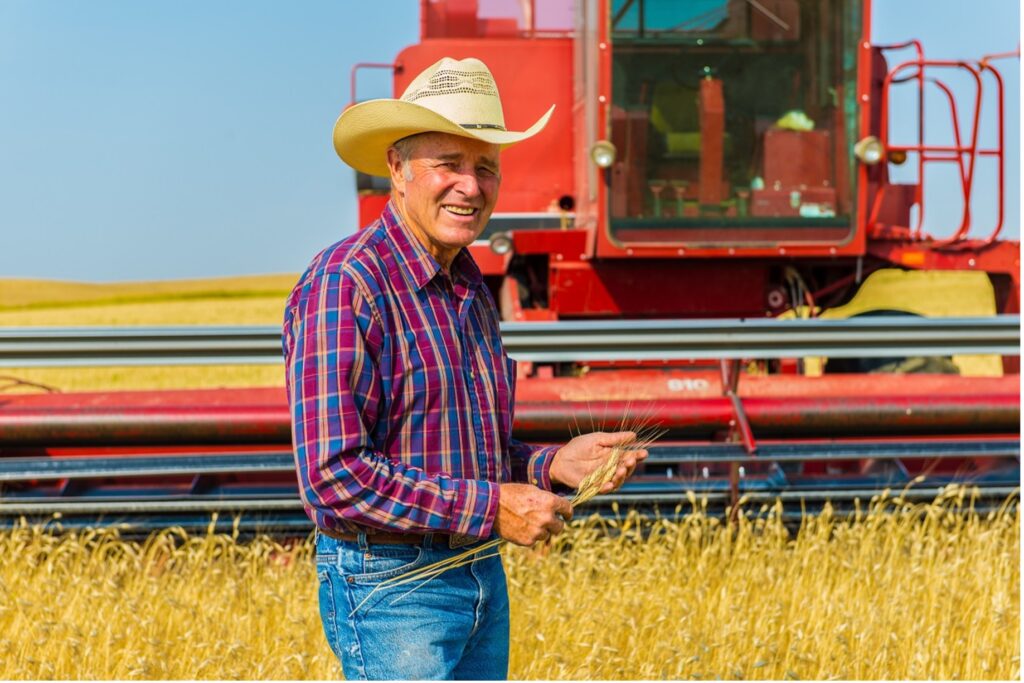
For more than four decades, Kamut International has built a model around protecting the integrity of KAMUT® Brand Wheat while maintaining its relevance in a changing food system.
From the beginning, the brand has emphasized certified organic production, identity preservation, biodiversity, and maintaining the distinctive characteristics of an ancient grain rather than pursuing production at any cost.
“For us, it has always started with the soil,” says Dr. Robert “Bob” Quinn, founder of Kamut International and current leader of the Quinn Institute. “Improving the health of our soils is the first step toward improving the health of people everywhere.”
That philosophy is reflected in the way KAMUT® Brand Wheat is produced. The grain is grown under certified organic standards and identity-preserved practices designed to maintain its integrity from farm to finished product.
The result is a supply chain built around consistency, traceability, and long-term relationships rather than commodity production alone.
Diversity Is Part of Resilience
Modern agriculture has become remarkably efficient. But efficiency can also create vulnerability when agricultural systems become overly dependent on a limited number of crops or varieties.
As weather patterns become less predictable and ecological pressures intensify, maintaining agricultural diversity gives farmers and food systems more options.
Ancient grains are one part of that diversity.
No single crop can solve the challenges facing agriculture. But preserving diverse crops and genetic resources can contribute to a more adaptable food system—giving farmers more choices, researchers more opportunities, and consumers greater variety.
In that sense, diversity isn’t simply about preserving the past.
It can be part of preparing for the future.
Building Systems, Not Just Products
Perhaps the strongest connection between organizations like Happy Dirt and KAMUT® Brand Wheat is that neither defines success solely by the product it sells.
Both have invested in the systems behind that product.
Happy Dirt built infrastructure to help organic farmers reach markets and manage the complexities of production and distribution.
KAMUT® Brand Wheat has spent more than four decades developing relationships with organic growers and maintaining an identity-preserved supply chain around an ancient grain.
As Trevor Blyth, President of Kamut International, explains:
“For more than four decades, our focus has been on protecting the authenticity of this ancient grain while making sure it stays relevant to today’s food system. As interest in whole grains and ingredient transparency grows, we believe consistency, traceability, and long-term stewardship are essential to establishing a resilient grain supply.”
That perspective points to an important shift in how agricultural success might be measured.
A resilient supply isn’t simply one that produces enough grain this year.
It is one that can continue producing high-quality grain while maintaining healthy soils, strong farmer relationships, biodiversity, and consumer trust over decades.
Looking Forward
As climate risks increase and consumers demand greater transparency about how food is produced, agriculture may need to place greater emphasis on resilience rather than output alone.
That doesn’t mean abandoning productivity or innovation. It means recognizing that productivity depends on the health of the systems supporting it.
Healthier soils. Greater biodiversity. Trusted farmer partnerships. Traceable supply chains. Markets that create incentives for long-term stewardship.
These aren’t separate solutions. They are interconnected pieces of a more resilient food system.
Organizations like Happy Dirt and KAMUT® Brand Wheat demonstrate that resilience isn’t built through a single innovation or a single growing season. It is cultivated over time through deliberate investments in the land, the people who farm it, and the systems that connect them.
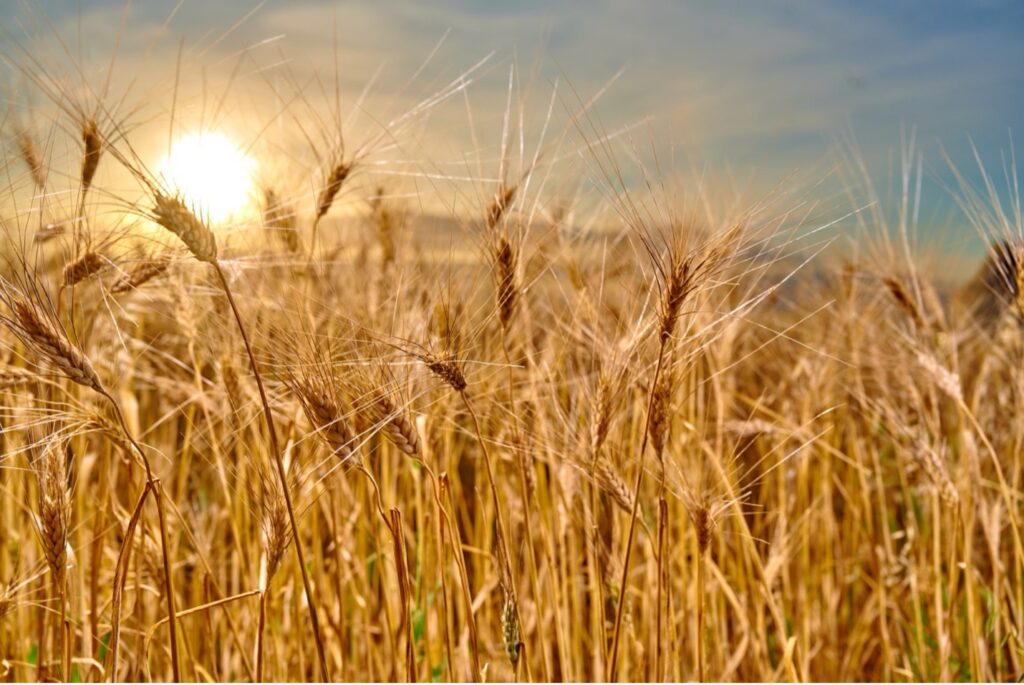
Bob Quinn has long embraced the principle that “We don’t inherit the land from our ancestors; we borrow it from our children.”
In an agricultural system facing increasing uncertainty, that may be the most enduring lesson of all: the strength of tomorrow’s food supply depends on what we choose to protect and build today.
